
Level 1 sweep and inspection to the NFPA 211 annual standard - flue, crown, cap, and flashing checked and photographed
Chimney sweep logs do not sweep chimneys. They loosen some creosote - which then falls where a brush and vacuum still have to collect it.
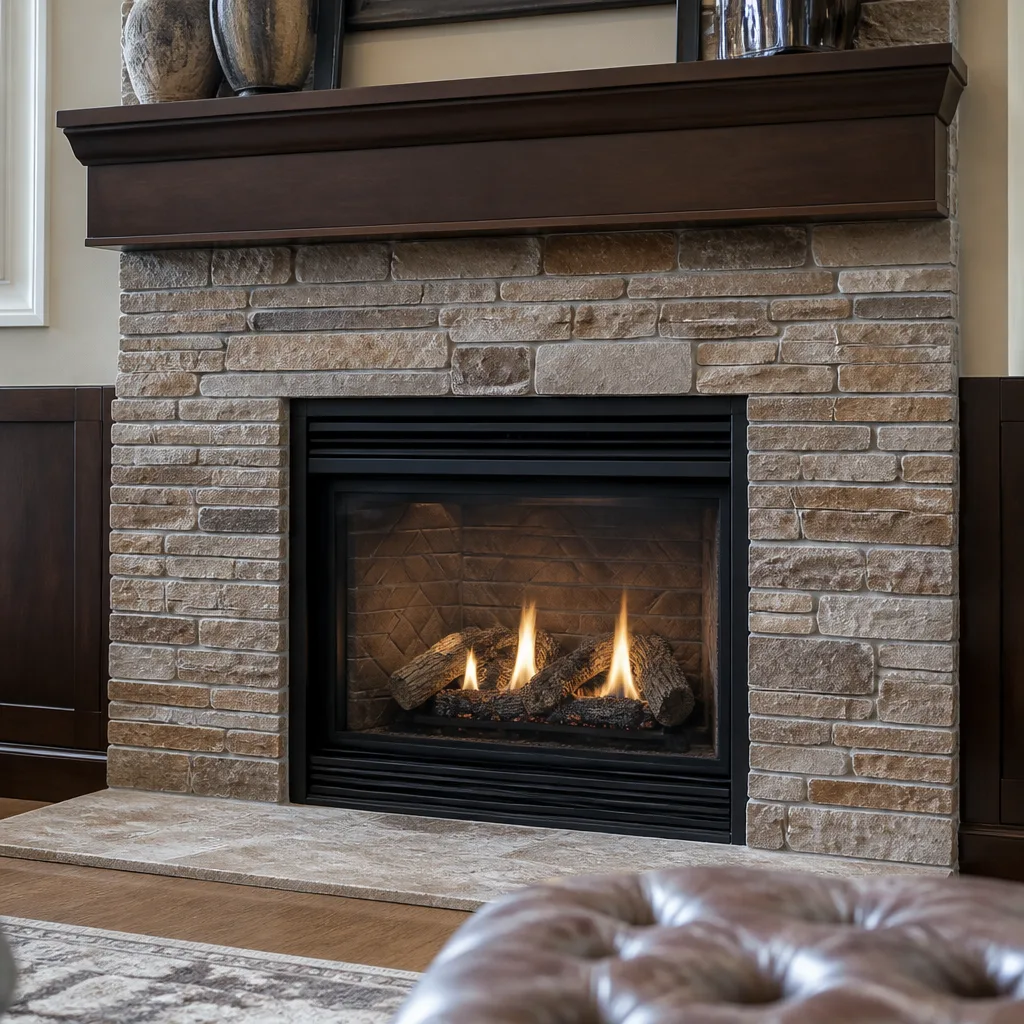
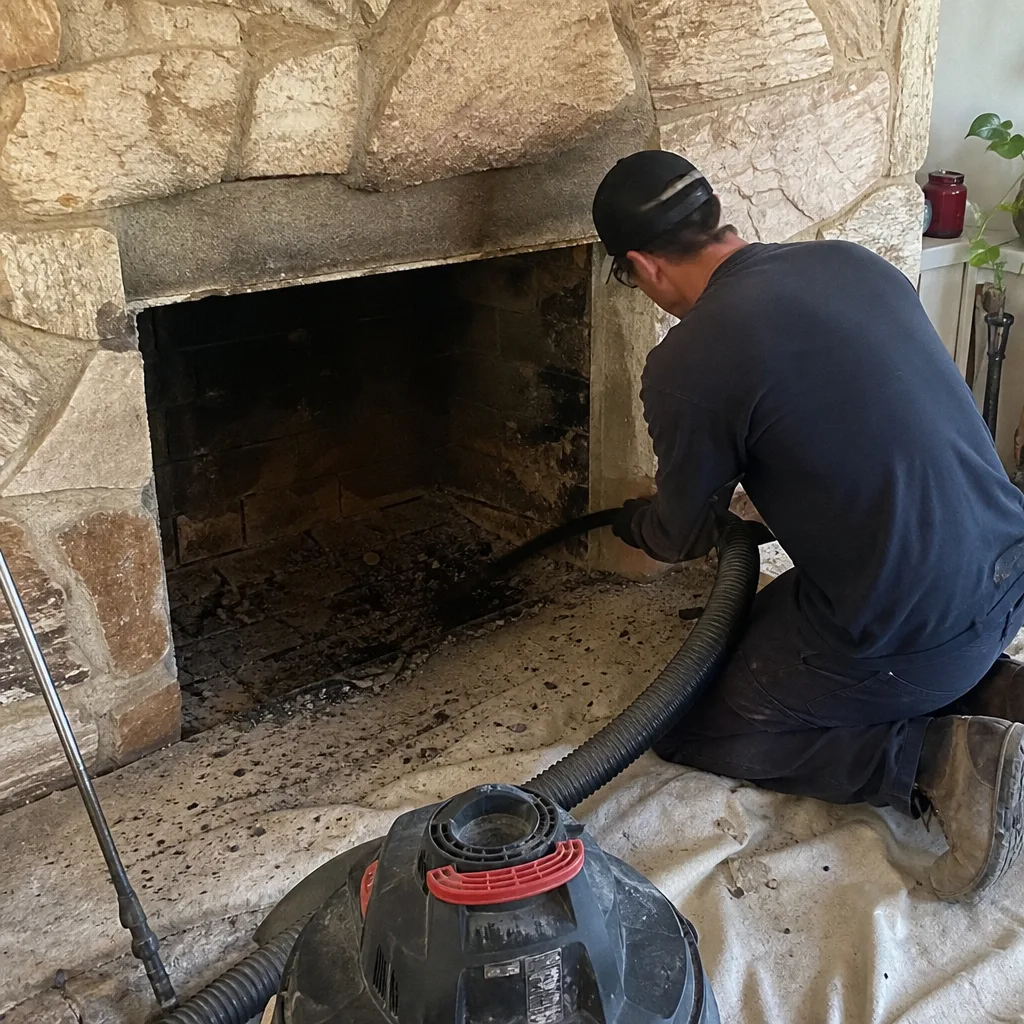 Before
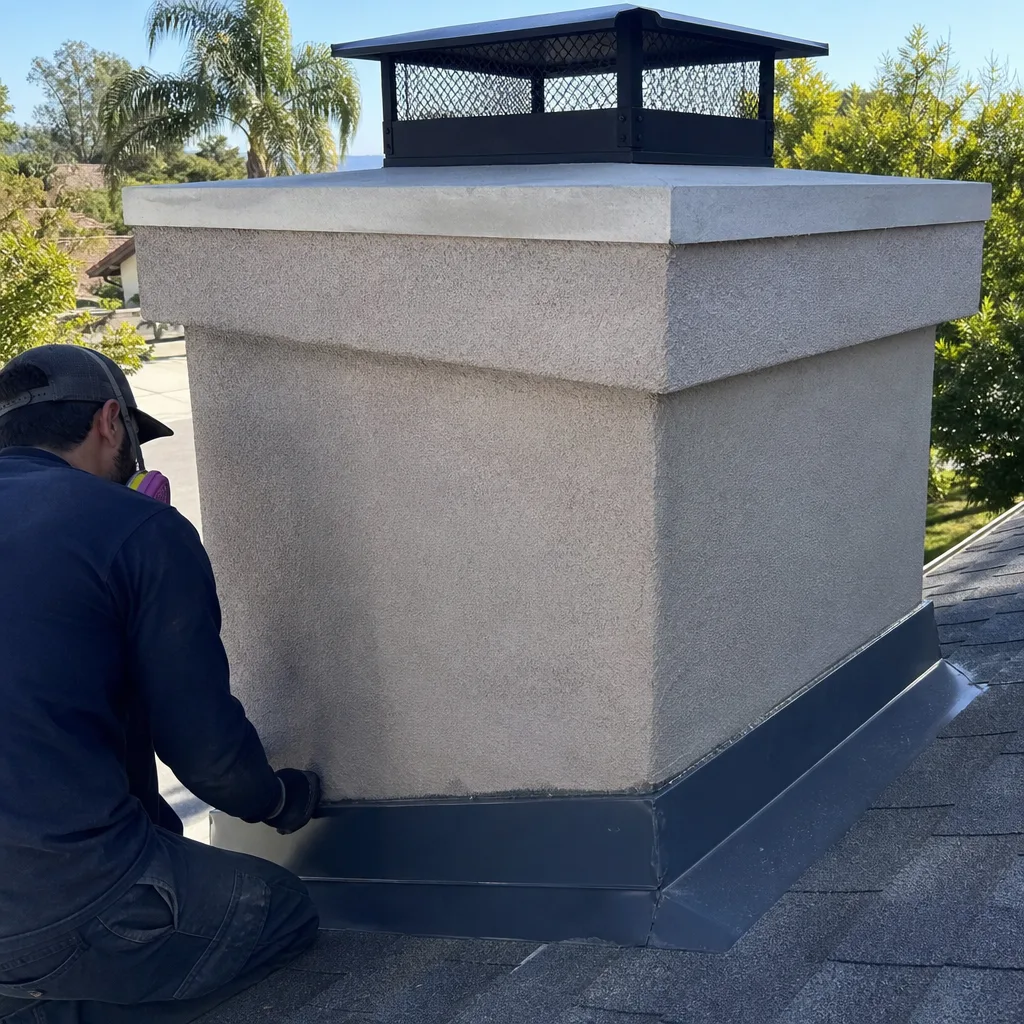 After
After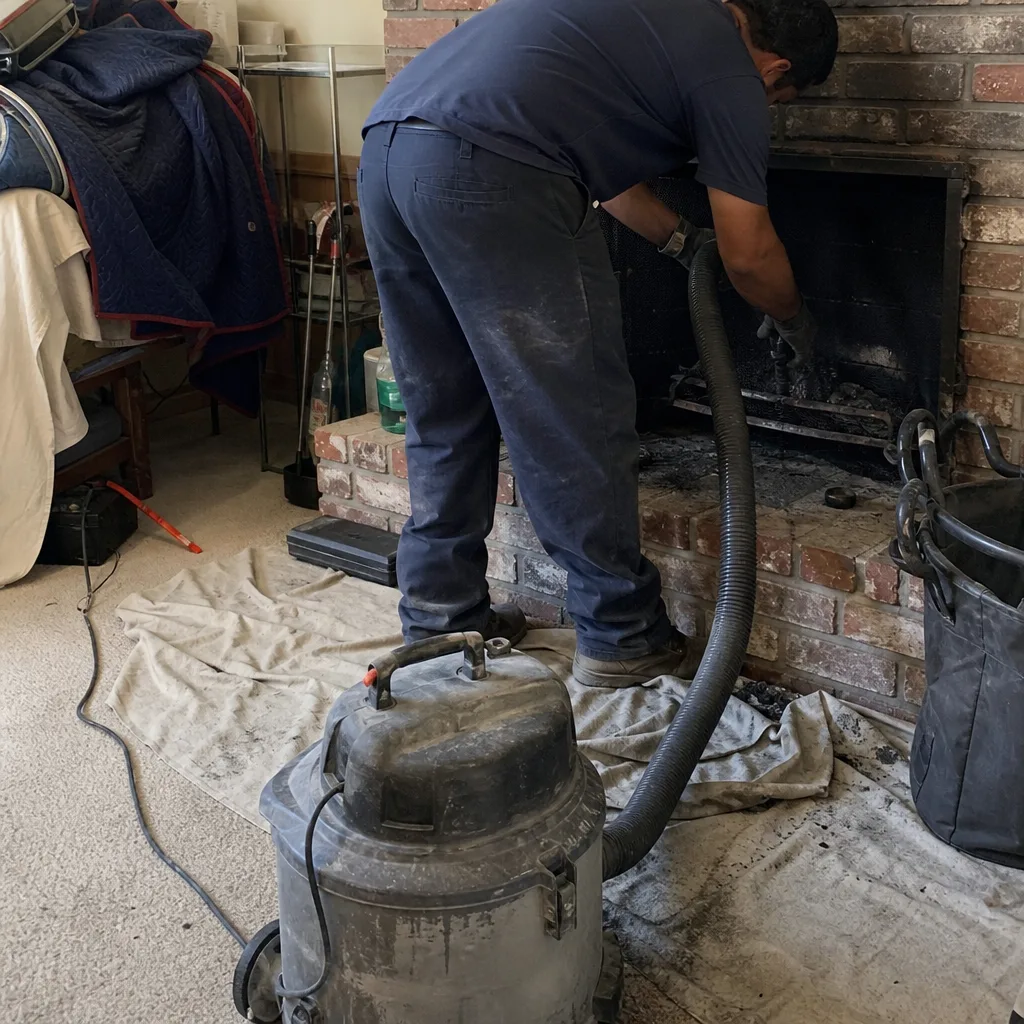 Before
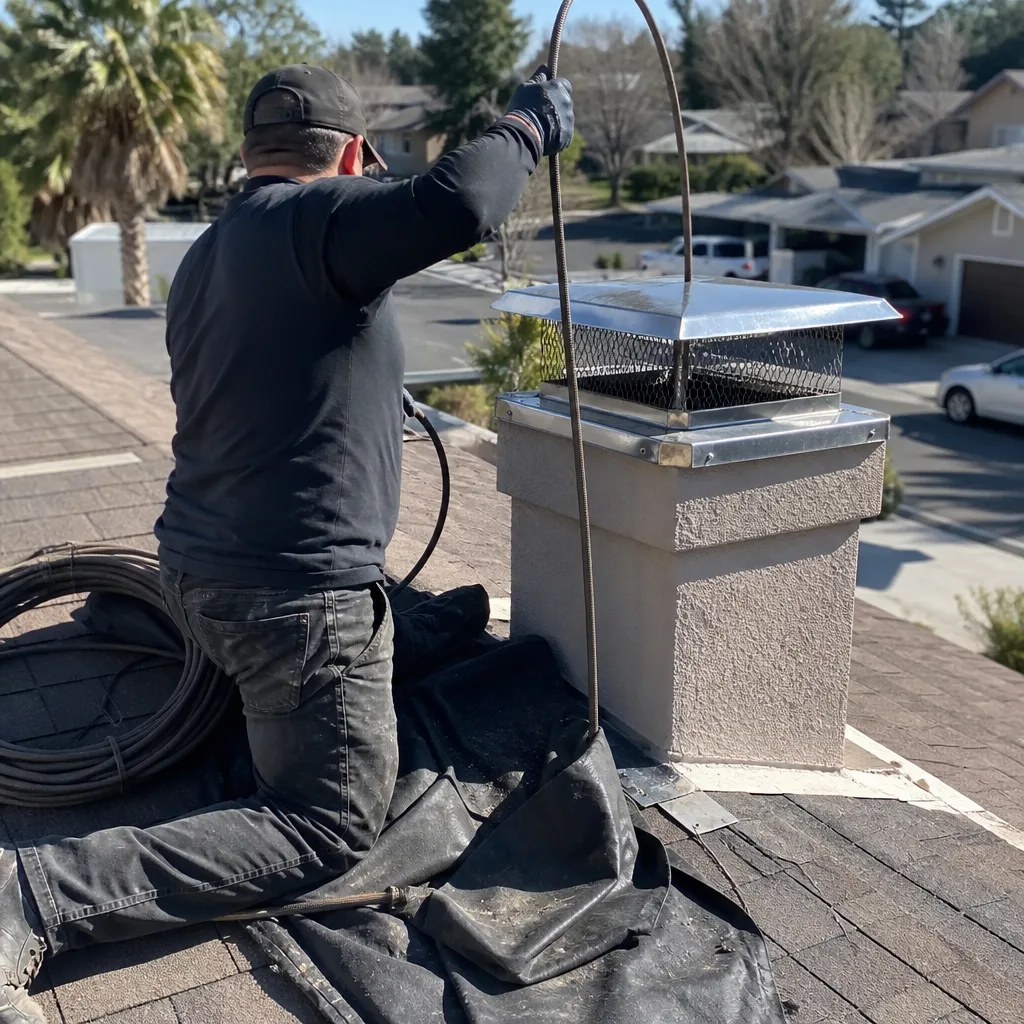 After
After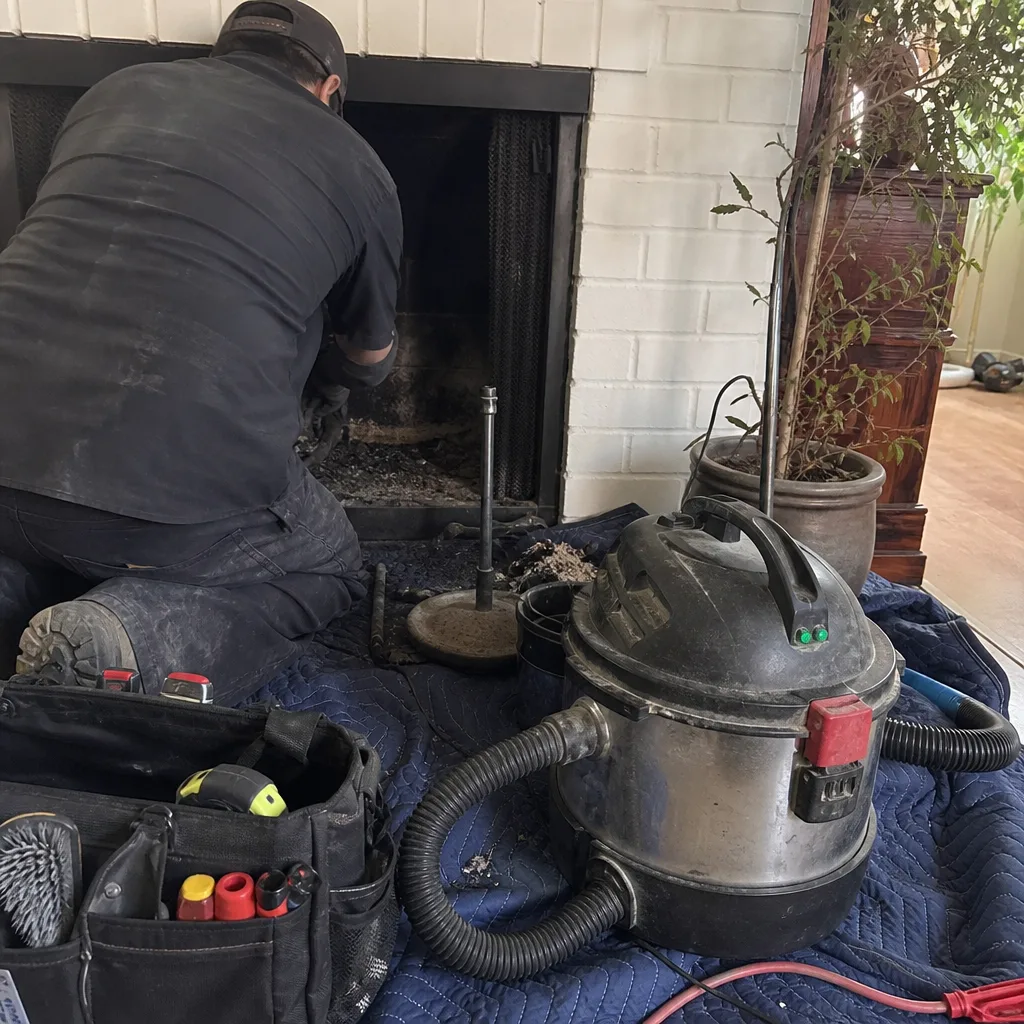 Before
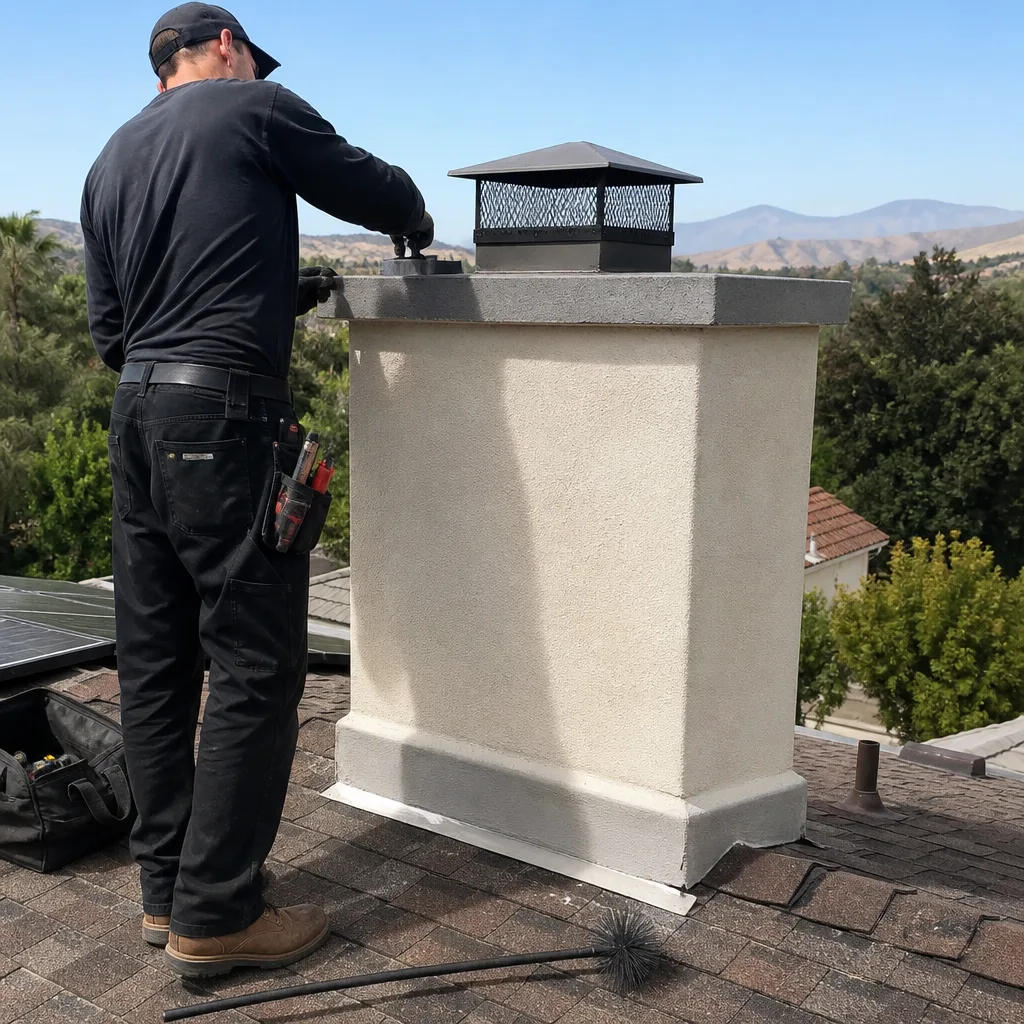 After
AfterCreosote Removal in Santa Clarita, CA
Creosote removal in Santa Clarita typically costs between $180 and $650, depending on how much buildup is present and which removal method the condition requires. Most visits are scheduled within a few days, and every job starts with a camera scan down the flue so you know exactly what you’re dealing with before a single tool goes in.
If you’ve been burning wood in a fireplace or wood-burning stove, creosote is forming in your flue every single time. That’s not an alarm – it’s just chemistry. Smoke rises, cools against the flue walls, and leaves behind a carbon-rich residue. A light, flaky deposit is manageable. A thick, tar-like glaze that has hardened onto your liner is a different problem entirely, and one that requires more than a standard sweep brush to address.
At Level Two Chimney Santa Clarita, we’ve been classifying and removing creosote since 2009 – more than 38,000 inspections and cleanings completed, every one with a written price before work started and a documented photo record when it was done. If you’d like to know where your flue stands right now, call us at (747) 294-2146. A live person answers every call, around the clock.
Creosote removal is a specific sub-service within our broader Chimney Cleaning & Sweep in Santa Clarita work. If you’re not sure whether you need a standard sweep or targeted creosote treatment, the camera scan answers that question before we quote anything.
When You Need Creosote Removal
Standard Chimney Cleaning & Sweep services handle Class I creosote – the light, dusty soot that brushes off cleanly. When the deposit has moved beyond that, targeted removal becomes necessary. Here are the situations we see most often in Santa Clarita homes:
- You smell smoke in the house even when the damper is open. A heavy creosote glaze restricts airflow through the flue, forcing smoke back into living spaces. Santa Clarita’s canyon geography – particularly in areas like Sand Canyon and Placerita Canyon – creates unpredictable downdraft conditions that make a partially blocked flue noticeably worse.
- You’ve had a chimney fire, even a small one. Class III creosote – the hardened, glazed form – is highly combustible. A single ignition can superheat a flue liner in minutes. After any suspected chimney fire, however minor it seemed, a camera inspection and creosote assessment are not optional.
- Your fireplace smokes more than it did two seasons ago. Gradual creosote accumulation is easy to miss season to season. When draft performance drops noticeably, the flue cross-section has often been reduced enough by buildup to change how the system draws.
- You burn wood frequently through Santa Clarita’s cooler months. The Santa Clarita Valley sees genuine cold from November through February, and homeowners in Stevenson Ranch, Saugus, and Canyon Country who run their fireplaces several nights a week accumulate creosote faster than occasional users. The EPA estimates that incomplete combustion during low, slow burns produces significantly more deposit than a hot, efficient fire.
- The flue camera shows Class II or Class III buildup. Class II creosote has a tar-like consistency and doesn’t brush off – it requires chemical treatment or rotary cleaning tools. Class III has hardened into a glaze that bonds to the liner surface. Both conditions go beyond what a standard sweeping visit addresses.
- You’re buying a home with an existing fireplace. Santa Clarita’s housing stock includes a large number of homes built in the 1980s and 1990s with masonry fireplaces that may not have been inspected in years. A pre-purchase inspection that turns up significant creosote buildup is far better news before closing than after.
Our Creosote Removal Process
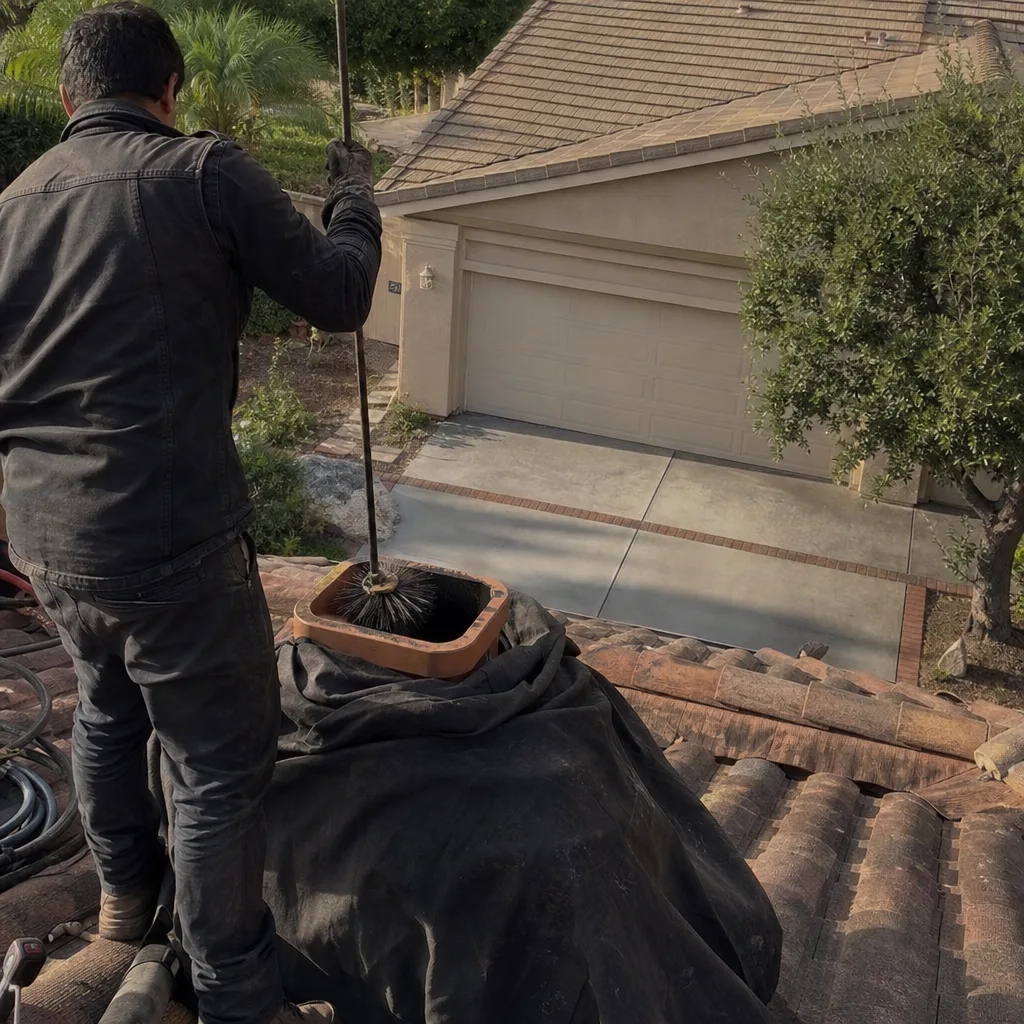
We don’t start any removal work until the camera has run and the written price is in your hand. That’s not a sales point – it’s Clause 1 of the Haven Standard, and it applies to every job without exception. Here’s what the process looks like from the moment a technician arrives:
- NFPA 211 Level 2 camera inspection of the flue. A camera goes down the flue before anything else happens. We’re looking at liner condition, the smoke chamber, the smoke shelf, and the extent and class of creosote present. You see the footage. We describe what the camera shows in plain terms – not what we felt about it, but what’s actually there. This inspection is included in every visit.
- Written price and scope delivered before work begins. Based on what the camera found, we hand you a written price, a written scope of work, and a written warranty. Nothing starts until you’ve read it and signed off. If you’ve received a written estimate from another company, our Free Second Opinion on Any Written Estimate applies here – bring it with you.
- Class-appropriate removal method selected. Class I buildup is brushed with rotary sweep equipment. Class II deposits require chemical treatment – a creosote-dissolving product is applied to the flue surfaces and given time to break down the tar before mechanical cleaning begins. Class III glazed creosote typically needs a combination of chemical spray application over multiple sessions or, in severe cases, a rotary power whip system. We’ll tell you which method applies and why, in plain language, before touching anything.
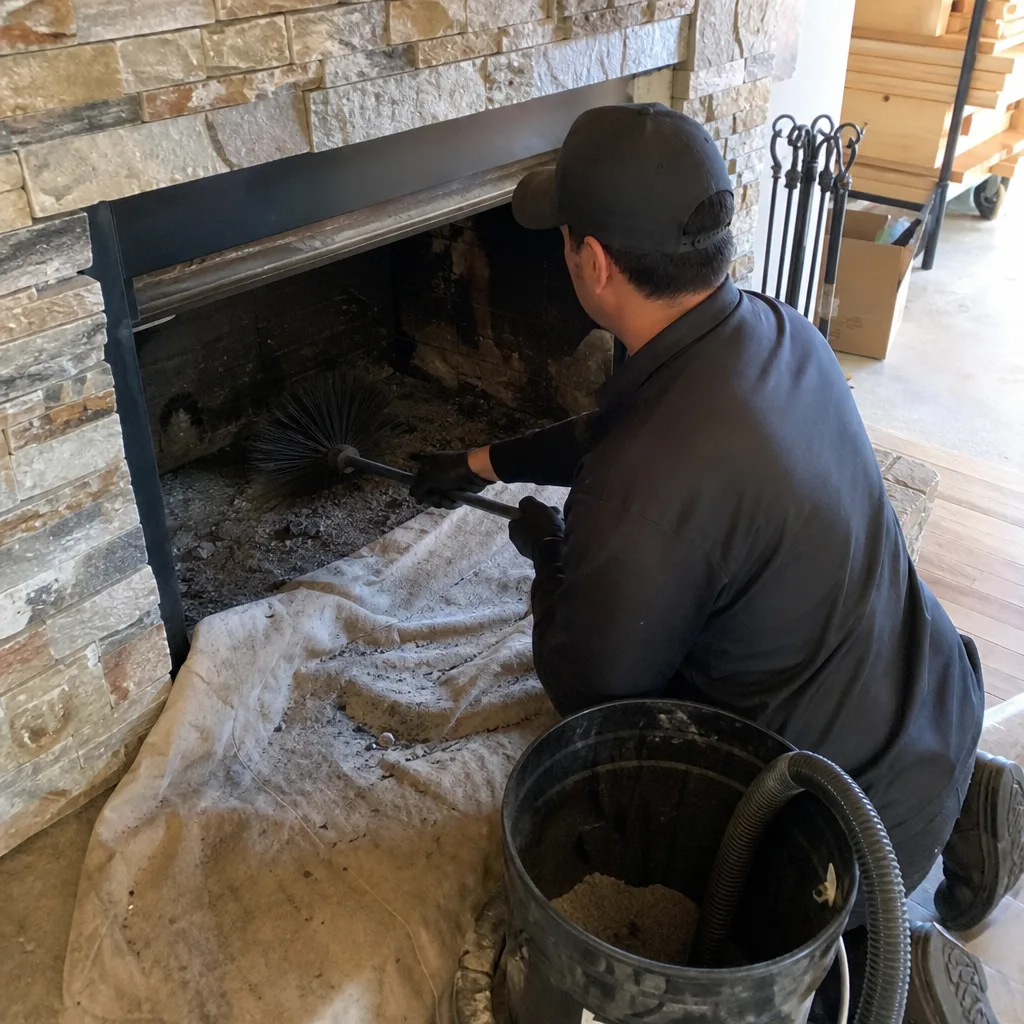
- Containment and protection of the firebox and hearth area. Drop cloths go down, the firebox opening is sealed with a work shroud connected to a HEPA vacuum system, and the technician works from outside the home’s living space as much as possible. Creosote removal – especially Class II and III work – releases fine particulate that needs to be captured, not redistributed through the room.
- Full mechanical cleaning of the flue, smoke chamber, and smoke shelf. After any chemical treatment has done its work, rotary brushes clear the loosened deposit from top to bottom. The smoke chamber and smoke shelf – areas that standard sweeping sometimes misses – get the same attention, because creosote accumulates there too.
- Post-cleaning camera pass and documented photo record. The camera runs again after cleaning. You get before-and-after documentation: photos, camera footage, and a written record of what was found and what was done. This is Clause 4 of the Haven Standard, and it’s included on every visit – not an optional add-on. That record matters for your homeowner’s insurance and for any future inspection.
 Before
 After
AfterCreosote Removal Pricing in Santa Clarita
Creosote removal in Santa Clarita runs between $180 and $650 for most residential jobs. The range is wide because the condition of the flue is wide – a Class I deposit that required a single brush pass costs far less than a Class III glaze that needs chemical treatment and a follow-up visit. The camera tells us which situation we’re in before we quote anything.
| Creosote Class | Typical Condition | Estimated Cost Range |
|---|---|---|
| Class I | Light, flaky soot – standard sweep handles it | $180 – $280 |
| Class II | Tar-like, pourable or hardened tar – chemical treatment required | $280 – $450 |
| Class III | Glazed, hardened coating bonded to liner surface | $450 – $650+ |
| Post-chimney-fire assessment | Full NFPA 211 Level 2 inspection plus removal quote | Inspection included; removal quoted after camera |
A few factors push the price toward the higher end of any range:
- Flue height – Santa Clarita homes with two-story chimneys or steeply pitched rooflines (common in newer Stevenson Ranch and Valencia construction) require more access equipment and time.
- Multiple fireplaces or a wood stove connected to the same flue system.
- Class III buildup requiring a second chemical treatment session – some glazed deposits need two applications to fully convert before mechanical cleaning is effective.
- Liner damage found during the camera pass that requires repair before or alongside removal.
Every estimate is written. No job starts without it. If you have a written quote from another company, bring it – we’ll review it for free and give you an honest comparison.
FAQs – Creosote Removal
How do I know what class of creosote is in my flue?
You can’t tell from looking into the firebox – you need a camera inspection. Class I looks dusty and loose. Class II has a tar-like texture and often a shiny appearance. Class III has hardened into a glaze that bonds directly to the liner surface and won’t brush off at all. Our Level 2 Inspection identifies the class before we quote the removal method, so you know exactly what you’re paying for. Call (747) 294-2146 to schedule – estimates are free and the written price comes before any work starts.
Can I remove creosote myself?
Class I creosote – light, flaky soot – can be reduced with a chimney sweep brush if you’re comfortable working at height and have the right equipment. But Class II and Class III removal involves chemical reagents, rotary power tools, and the risk of disturbing highly combustible particulate in an enclosed space. High-tension cables and rooftop access also introduce serious fall risk. We’d frame this the same way a good inspector would: know what class you’re dealing with before deciding whether to touch it. If the camera shows Class II or III, this is not a DIY project.
How often does creosote need to be removed in Santa Clarita?
The National Fire Protection Association (NFPA 211) recommends a Level 1 Inspection at least once per year for any regularly used fireplace, with cleaning performed whenever buildup warrants it. In Santa Clarita, homeowners who burn wood through the cooler months – typically November through March in areas like Canyon Country, Newhall, and Castaic – should expect at least an annual sweep, and potentially a mid-season check if they’re burning frequently. Unseasoned wood and low, smoldering fires accelerate creosote formation significantly. Call (747) 294-2146 and we’ll tell you where your flue stands after the camera runs.
Does creosote removal damage the flue liner?
Done correctly, no. The chemical agents used in Class II and III removal convert creosote into a dry, brushable ash without attacking the liner surface. The concern is the opposite: leaving Class III glazed creosote in place is what damages liners, because a chimney fire that ignites it can crack or spall the liner from the inside. If our camera finds liner damage before or after cleaning – spalling, cracking, or joint failure – we document it and present a repair quote in writing before doing anything. Liner materials we use regularly include DuraFlex flexible liner systems for relining after damage. You walk away with photos, a written scope, and a warranty on every service we perform.
Why Level Two Chimney Santa Clarita for Creosote Removal
Most chimney companies in Santa Clarita will sweep your flue and note that creosote was present. What they don’t always do is classify it, photograph it, quote the right removal method in writing, and hand you a documented record when the job is done. We’ve been doing all four since 2009, on more than 38,000 jobs.
The camera-scan protocol that became Clause 4 of the Haven Standard existed here before regulators or insurers made it standard practice. That means if your homeowner’s insurance ever asks for documentation of your chimney’s condition, you have it – photos, camera footage, written scope, written warranty, all timestamped.
Our technicians are background-checked, arrive in uniform, and send you a text when they’re on the way. You get a named tech assigned to your job, not whoever’s available that morning. The 365-Day Done Right Promise covers every job: if the work isn’t right, we make it right. That applies to creosote removal the same as it applies to liner installation or a cap replacement.
We source materials through Haven’s buying network – Copperfield brushes and tools, DuraFlex liner systems when relining is needed – specifically to keep costs honest. You’re not paying a markup that funds a franchise fee. Level Two Chimney Santa Clarita is independently owned and operated.
If you’d like to know what’s inside your flue before the next fire season, call (747) 294-2146. A live person will answer, we’ll get you on the schedule, and you’ll have a written price in your hand before any work begins. Learn more about everything that falls under a standard visit on our home page, or read the full scope of what’s included in a visit on our Chimney Cleaning & Sweep in Santa Clarita page.
Written by Corrine Halstead, Owner at Level Two Chimney Santa Clarita, serving Santa Clarita.