
Last updated September 21, 2026
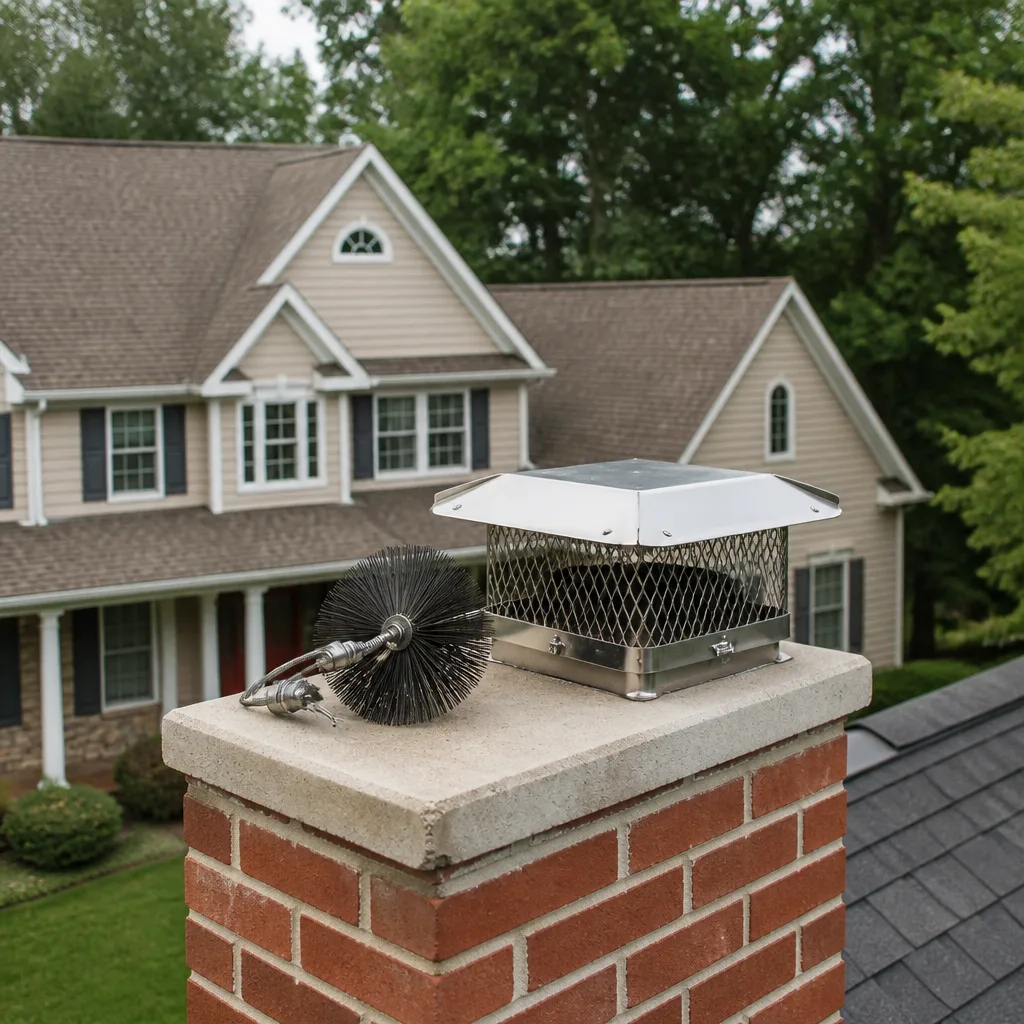
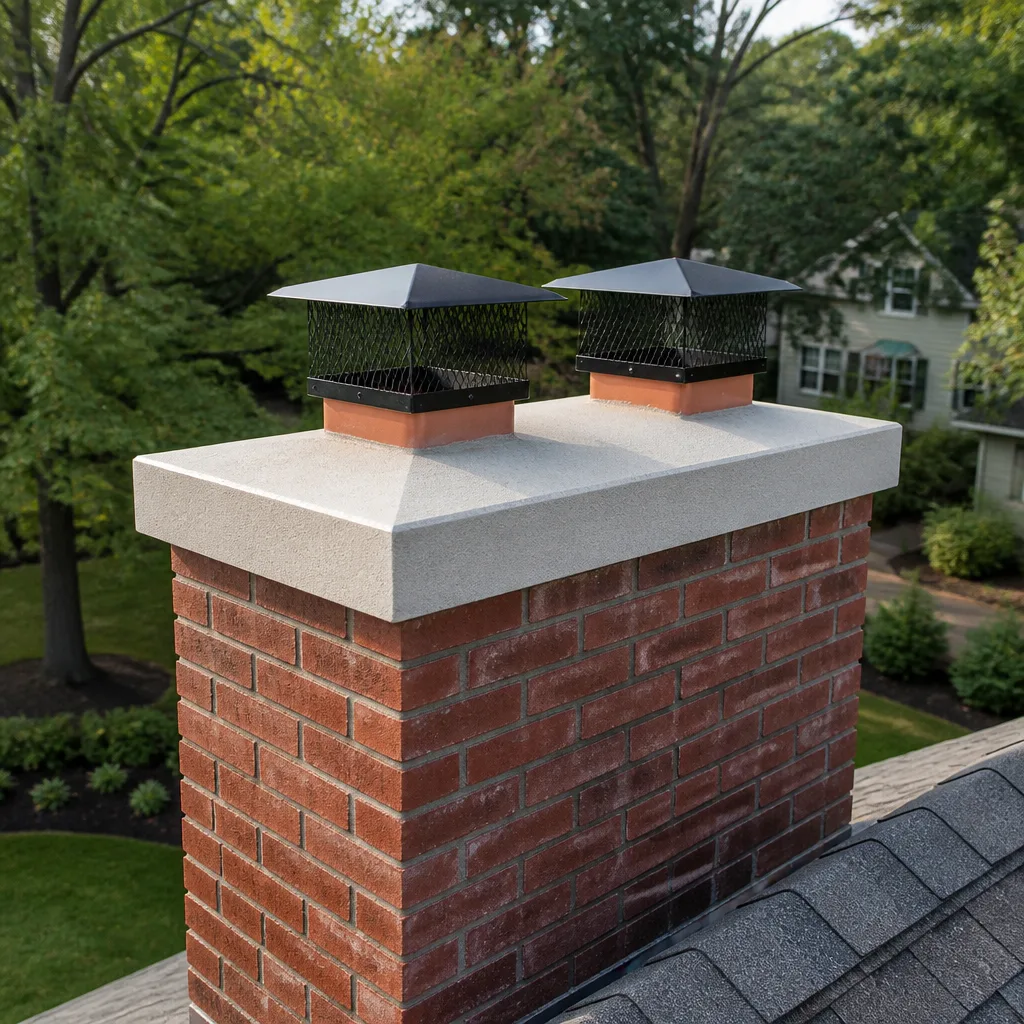
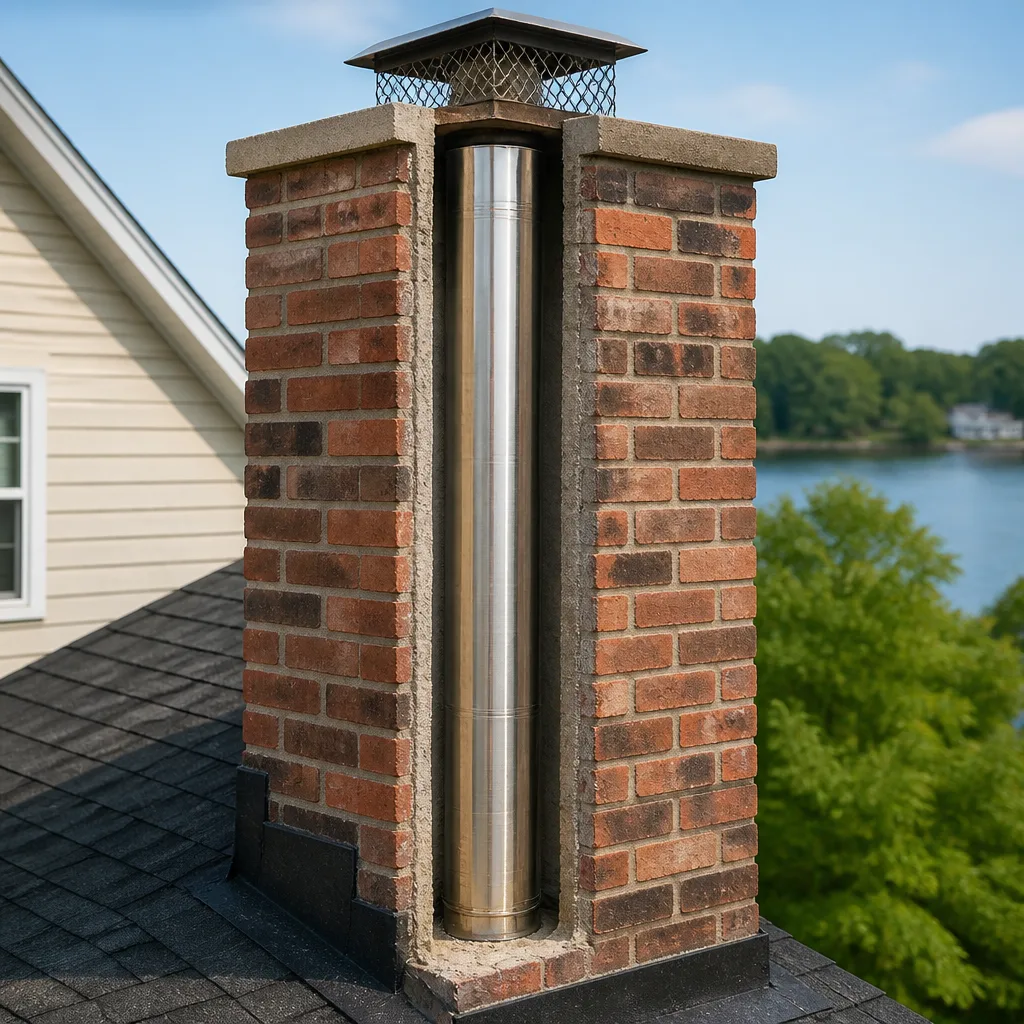
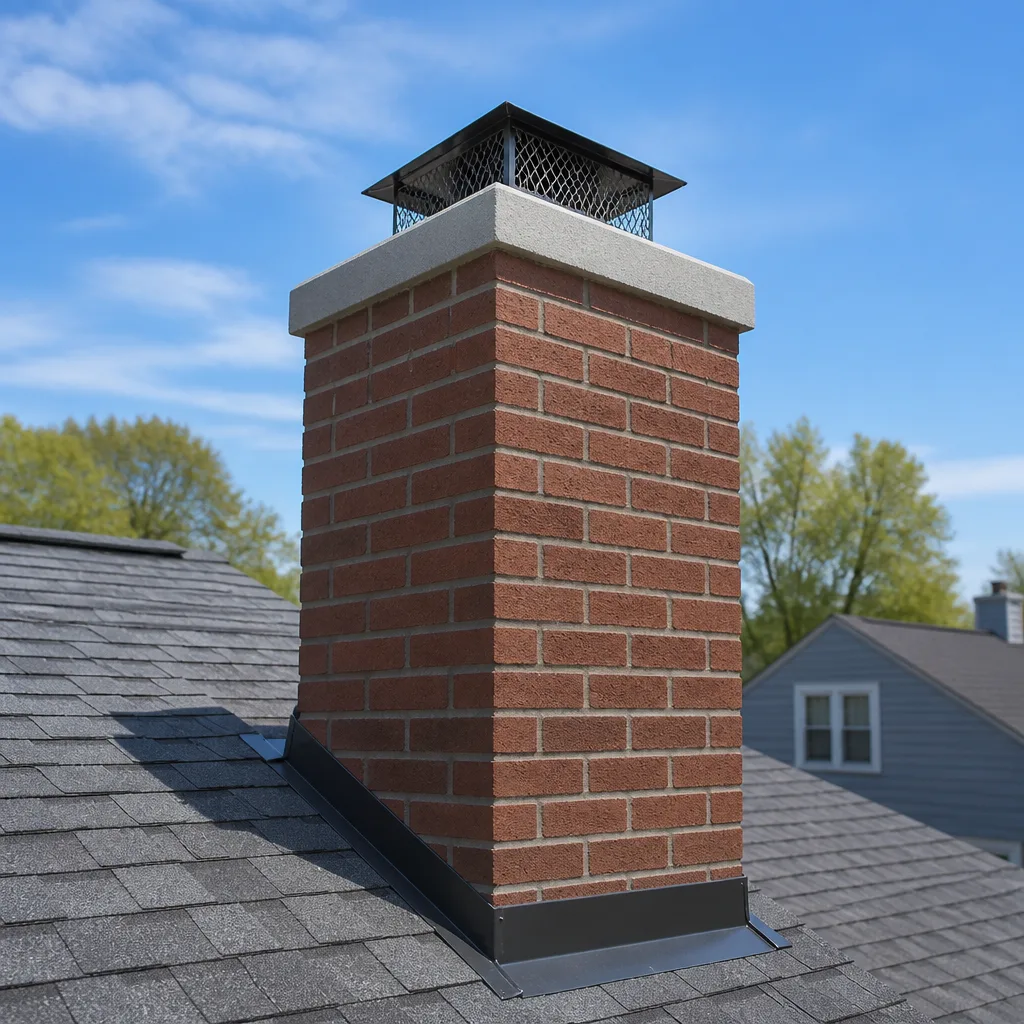
Level 1 sweep and inspection to the NFPA 211 annual standard - flue, crown, cap, and flashing checked and photographed
Chimney sweep logs do not sweep chimneys. They loosen some creosote - which then falls where a brush and vacuum still have to collect it.
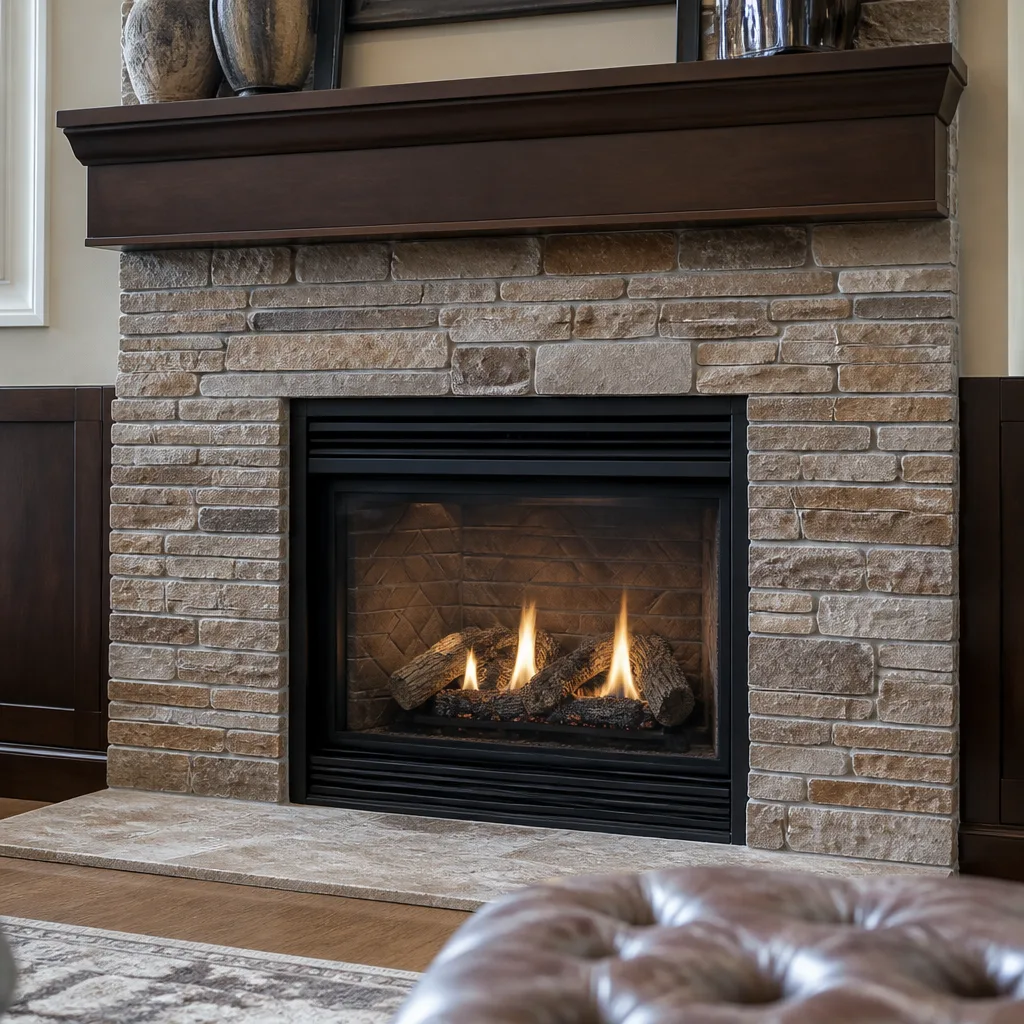
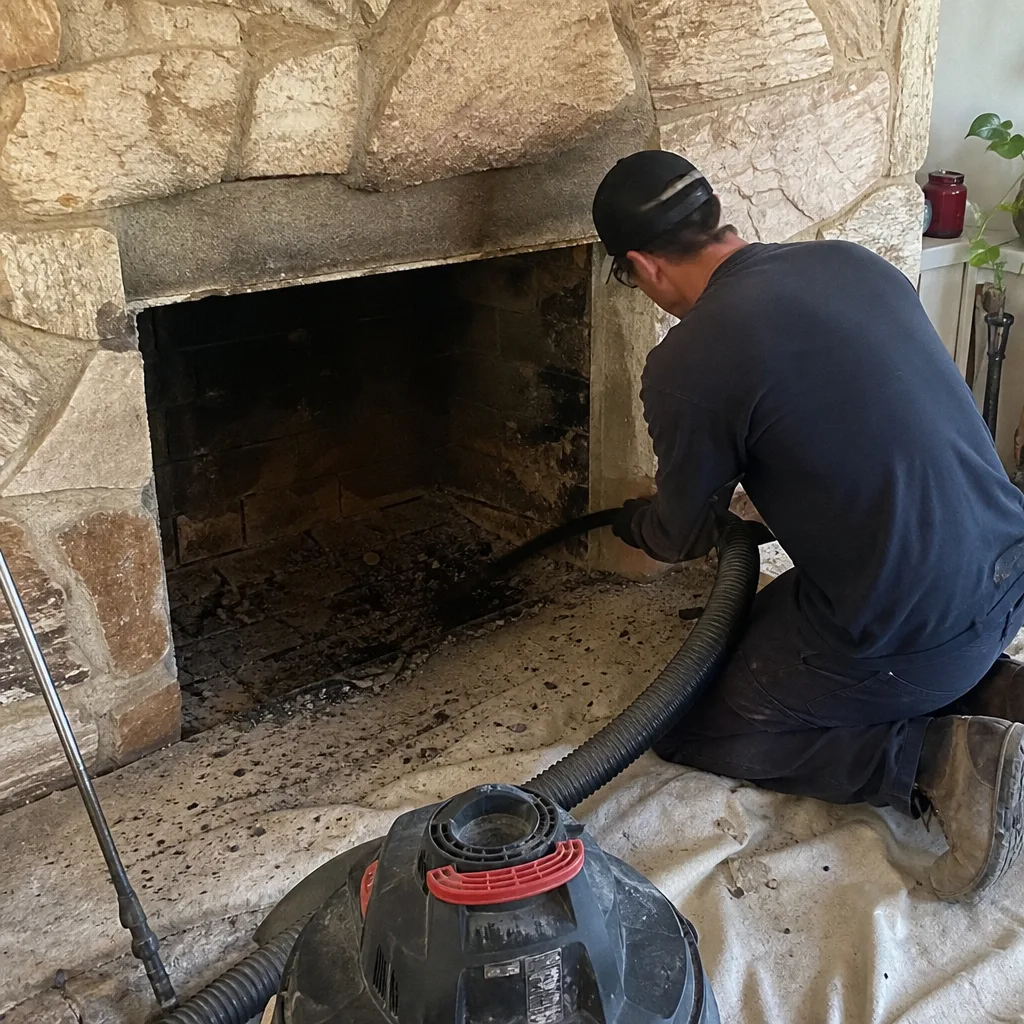 Before
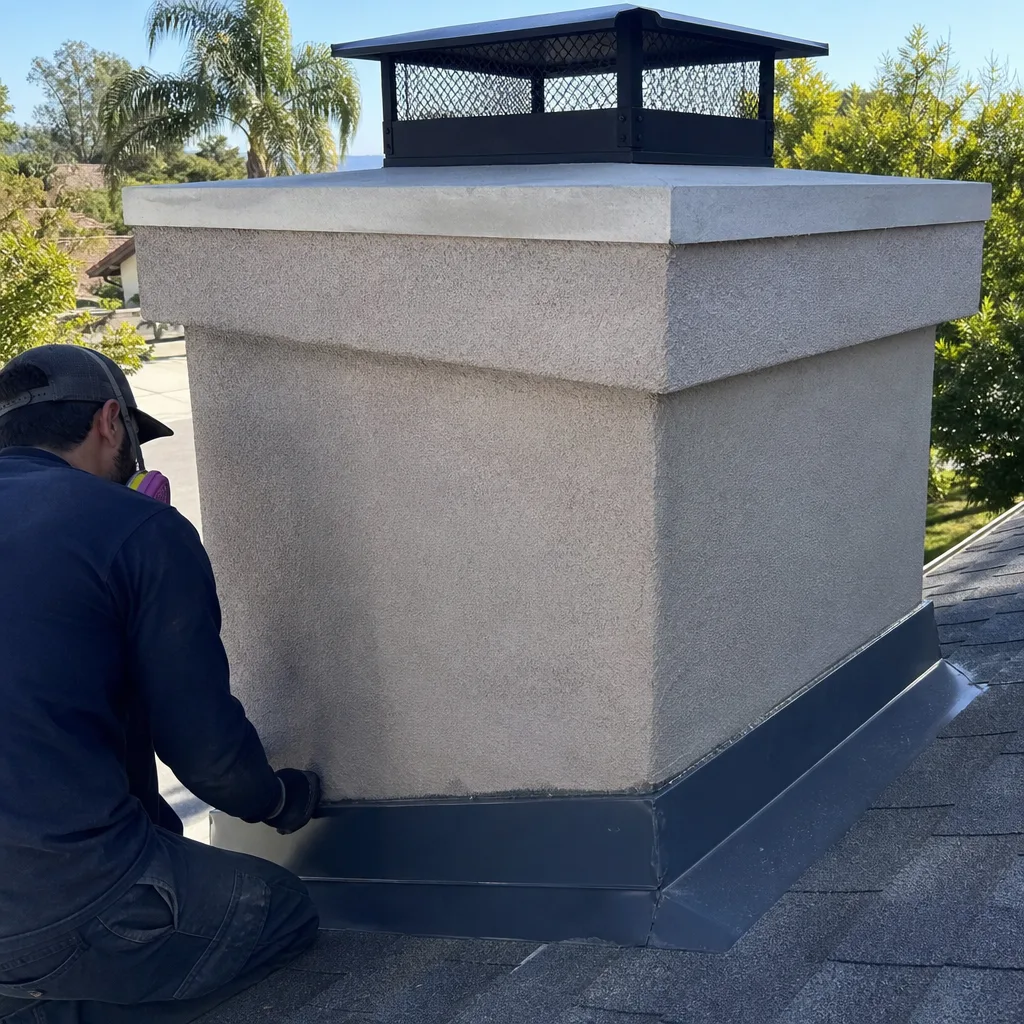 After
After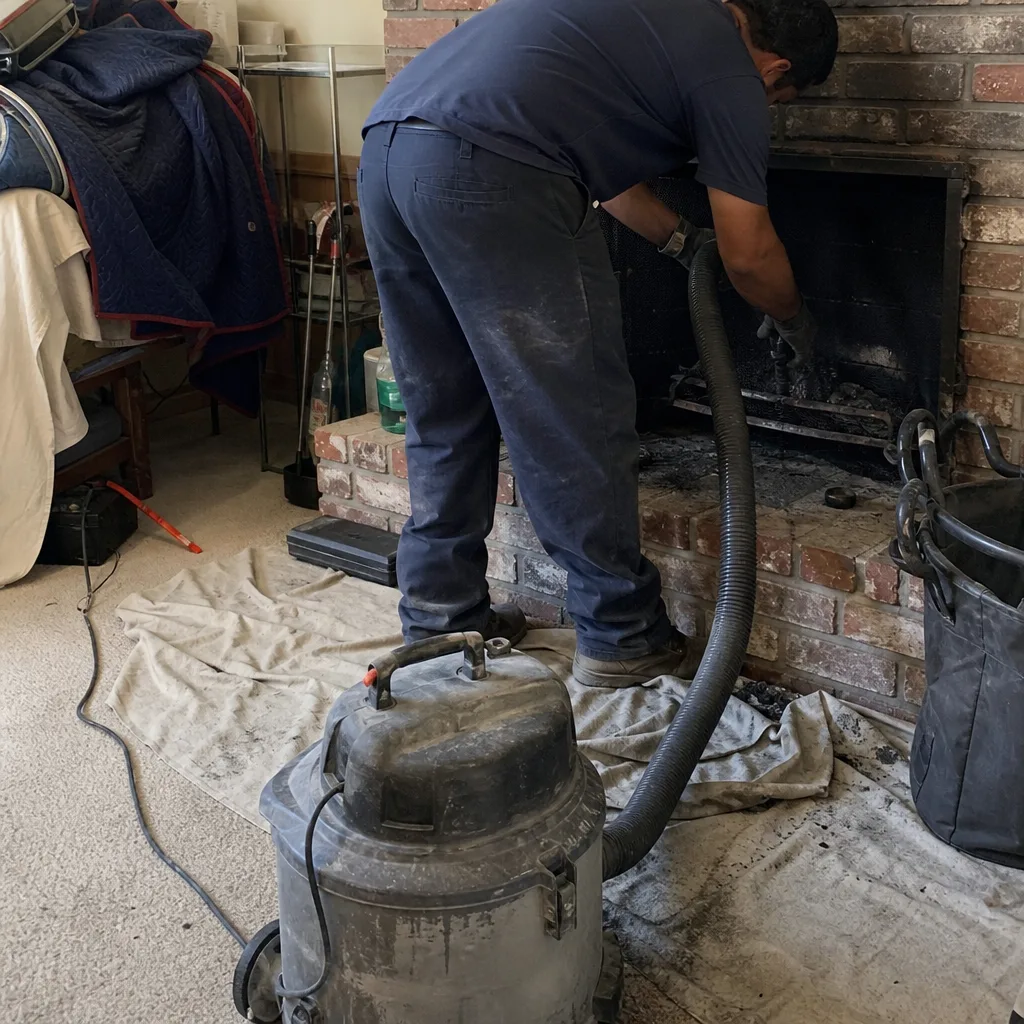 Before
 After
After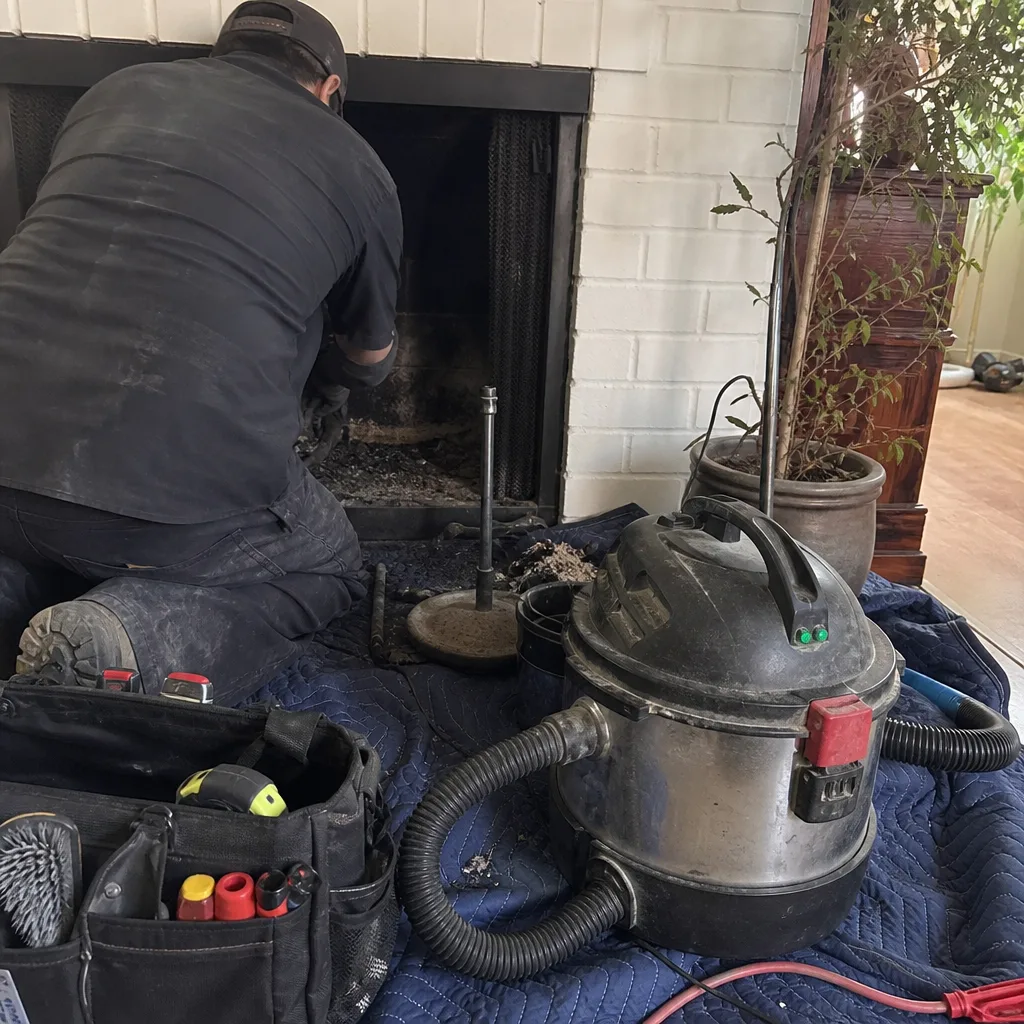 Before
 After
AfterThe Complete Guide to Chimney Cleaning in Santa Clarita
Santa Clarita sits inside one of the highest wildfire-interface zones in California, yet most chimney companies operating here still offer the same flashlight-and-brush service they sold in 1987 - no camera, no written findings, no record the work happened at all. That gap between what homeowners pay for and what actually protects them is why chimney fires still occur after a “cleaning.” In this guide, we’ll map the real three-phase sequence of chimney cleaning against Santa Clarita’s specific fire-season risk calendar, explain what NFPA 211 Level 2 inspection actually requires versus what most local sweeps deliver, and show you how to read an invoice to verify documentation was produced, not just labor billed.
Quick Answer
Professional chimney cleaning in Santa Clarita costs $189-$349 for a standard sweep with NFPA 211 Level 2 camera inspection included. The service should follow a three-phase sequence: mechanical sweep to remove combustible deposits, camera scan to document flue liner condition, and written report with photo record. In Santa Clarita’s wildland-urban interface, this sequence matters more than the national average because Sundowner and Santa Ana wind events accelerate creosote buildup and ember exposure beyond what standard sweep-frequency tables assume.
Table of Contents
- Why the Sequence Matters More in Santa Clarita
- The Three-Phase Sequence: What Each Phase Proves
- What NFPA 211 Level 2 Actually Requires
- Santa Clarita’s Fire-Season Risk Calendar
- How to Read a Chimney Cleaning Invoice
- Chimney Cleaning Costs in Santa Clarita
- Common Mistakes to Avoid
- When to Call a Professional
- Frequently Asked Questions
 Before
 After
AfterWhy the Sequence Matters More in Santa Clarita
Most homeowners in Santa Clarita, Valencia, and Canyon Country treat chimney cleaning as a single event: a truck arrives, a brush goes up, a bill gets paid. That understanding is decades out of date, and in this city, it’s actively dangerous.
Santa Clarita’s geography creates a chimney hazard profile that national sweep-frequency guidelines don’t capture. The city sits in a bowl-shaped valley where the Santa Clara River meets the Santa Susana Mountains. When Sundowner winds drop over the ridge from the north, or Santa Ana winds push dry air through the Newhall Pass, the resulting pressure differentials pull harder on chimney drafts. Faster airflow means faster creosote staging - the process by which combustion byproducts layer, harden, and become increasingly combustible. A fireplace that might safely operate on an annual sweep schedule in Ohio or Pennsylvania can develop Class III glazed creosote in Santa Clarita in a single heavy-use season.
The 2019 Saddleridge Fire started fourteen miles from Santa Clarita’s city limits. The 2020 Lake Fire burned 31,000 acres in the Angeles National Forest, visible from Saugus on clear evenings. These aren’t abstract statistics for Santa Clarita homeowners. They’re the context in which a chimney fire - typically contained to the flue in wetter climates - can become a structure fire that spreads to wildland, or vice versa. The sequence of sweep, inspect, document isn’t bureaucratic overhead here. It’s the difference between knowing your chimney is safe and hoping it is.
We’ve completed more than 38,000 chimney inspections and cleanings since 2009. The jobs that reveal hidden hazards - cracked flue liners, deteriorated mortar joints, bird nests in unsupported chimney caps - are rarely the ones where the homeowner reported a problem. They’re the ones where the camera found what the brush missed.
The Three-Phase Sequence: What Each Phase Proves
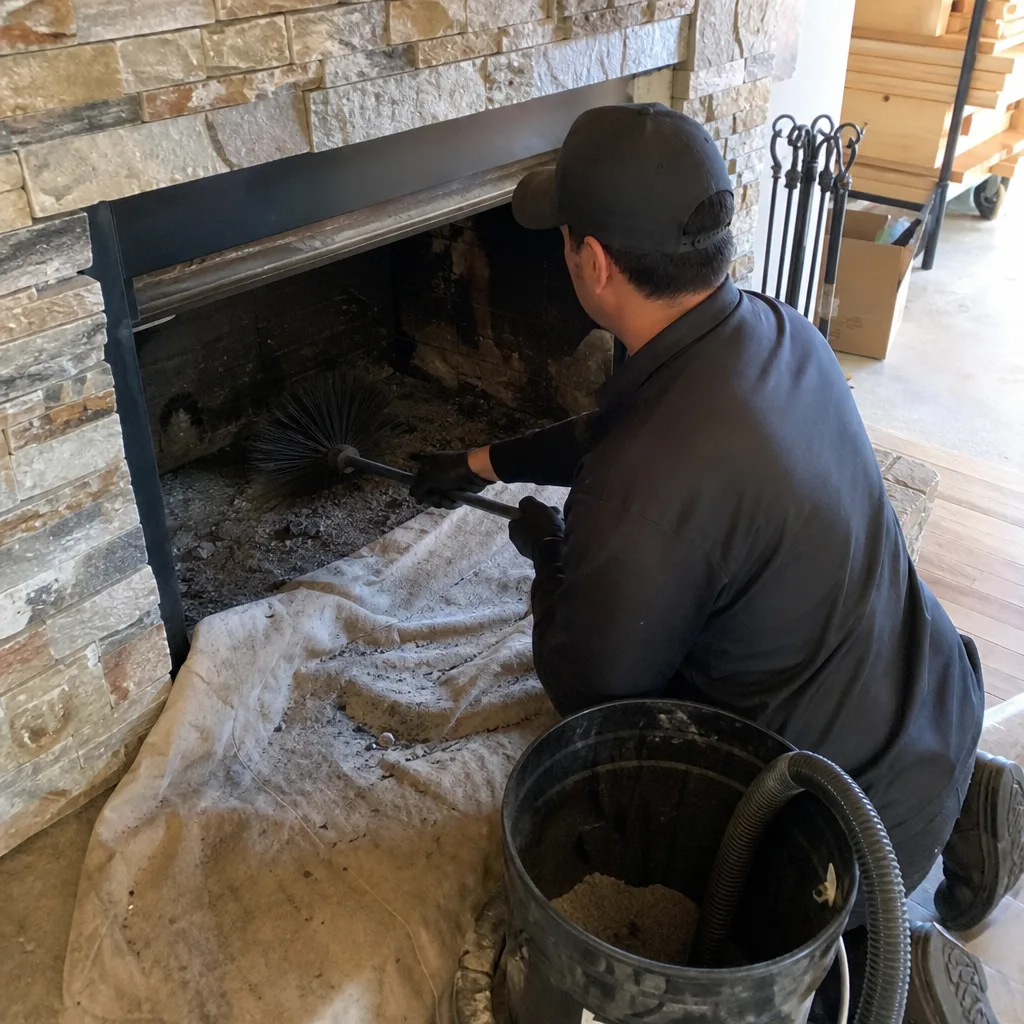
Real chimney cleaning is three distinct operations, each with its own tools, its own verification standard, and its own failure mode. Understanding what each phase confirms - and what it cannot - is the core of protecting your home.
Phase 1: Mechanical Sweep
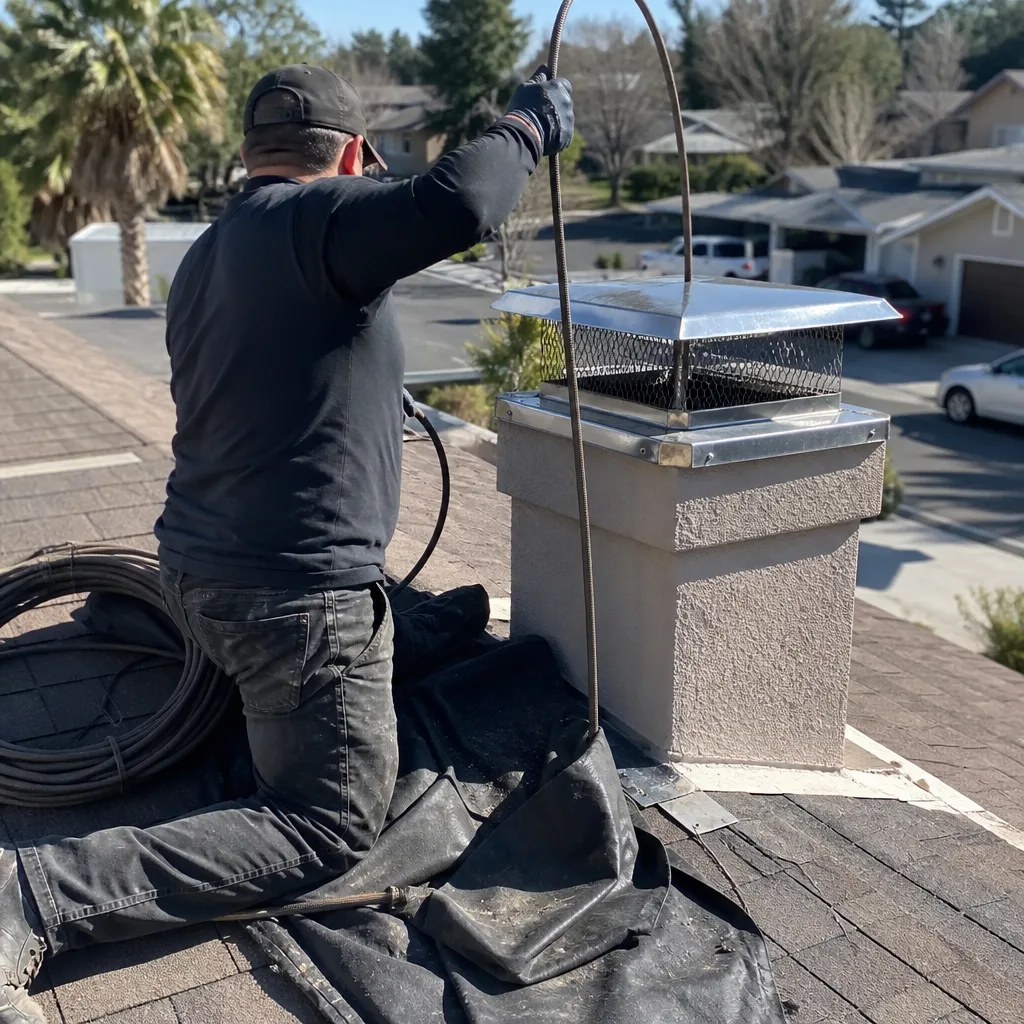
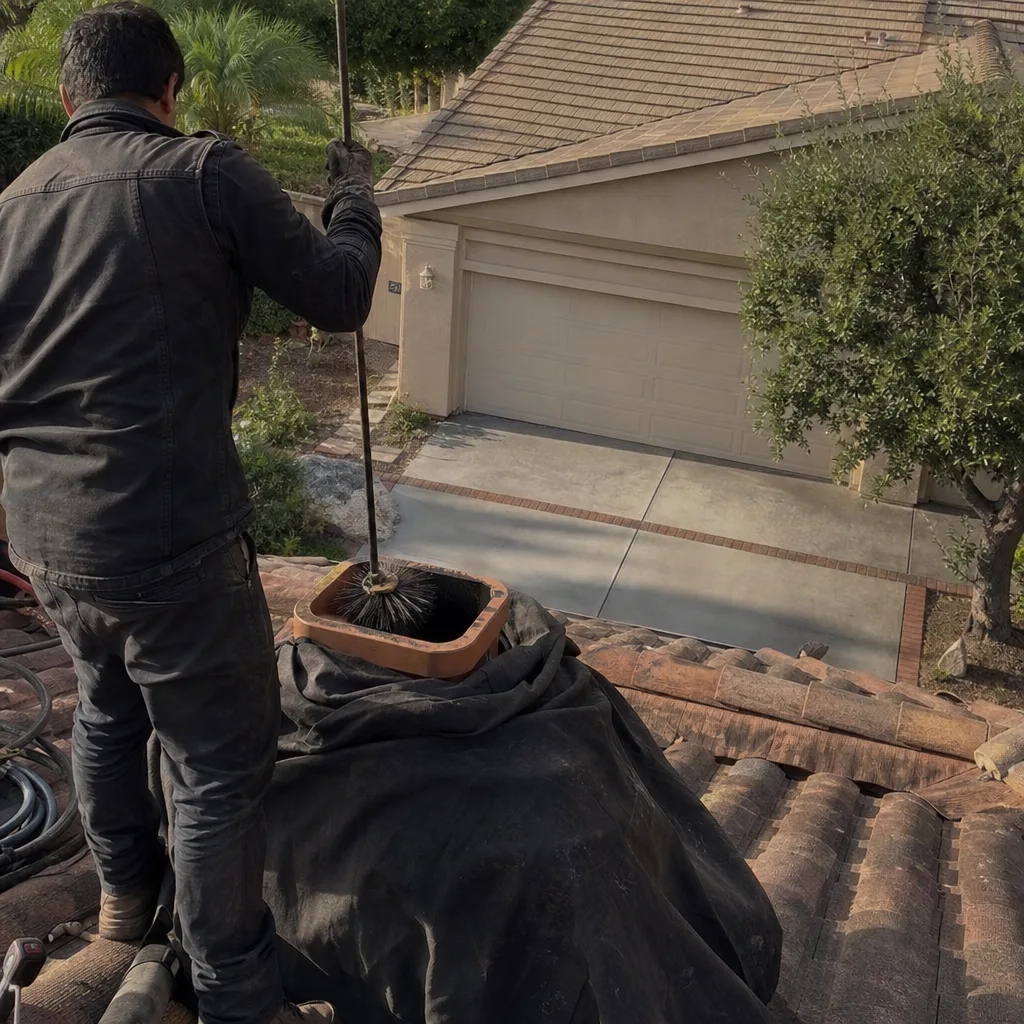
The sweep removes combustible deposits from the flue walls, smoke chamber, and firebox. We use rotary whips with poly or steel bristles sized to the flue diameter, powered by variable-speed drills to match the liner material - stainless steel, terracotta, or poured refractory. The goal isn’t cosmetic cleanliness. It’s reducing creosote depth below the ignition threshold.
What this phase proves: that the flue is passable, that deposits are removable, and that no obstruction (collapsed liner, animal nesting, construction debris) prevents tool passage.
What it cannot prove: whether the flue liner is cracked, whether mortar joints have failed, or whether the chimney structure is sound. A brush travels through the center of the flue. It doesn’t touch the walls with diagnostic pressure. It doesn’t see.
Phase 2: Camera Scan
After sweeping, we run a high-resolution chimney camera from the firebox to the crown, or from the roof down when access requires. The camera is on a flexible rod with LED lighting, capturing video and still images at 90-degree turns, joint intersections, and the smoke chamber - the area above the firebox where most chimney fires start.
What this phase proves: liner condition (cracks, spalling, gaps), joint integrity, mortar deterioration, moisture intrusion patterns, and creosote that the sweep left behind. In Santa Clarita’s clay-heavy soils, we regularly see vertical cracking in terracotta liners from foundation settling - invisible to any brush, visible immediately on camera.
What it cannot prove: structural soundness of the exterior chimney, crown waterproofing effectiveness, or clearances to combustible framing. Those require visual inspection from the roof and attic, which is why NFPA 211 separates Level 2 from Level 1.
Phase 3: Written Report with Photo Record
The documented record is what transforms cleaning from a service into evidence. Our reports include: sweep date and technician name; pre-sweep and post-sweep camera images with location markers; liner condition assessment; recommended actions with written prices; and a copy of the warranty terms.
Clause 4 of the Haven Standard requires this photo record on every job. Not as an optional add-on. Not as a “deluxe package.” As baseline documentation that insurance adjusters, home inspectors, and future buyers can reference. We’ve maintained this practice since 2009 - before California insurers began requesting chimney documentation for wildfire-risk assessments.
What this phase proves: that work occurred, what was found, and what was recommended. In a city where home sales in Valencia and Stevenson Ranch routinely involve wildfire-hazard disclosures, this record has direct transactional value.
What it cannot prove: future condition. A chimney report is a snapshot. That’s why the sequence repeats on schedule, not once.
What NFPA 211 Level 2 Actually Requires
Nearly every chimney company in Santa Clarita advertises “Level 2 inspection.” Few deliver what the standard mandates. The National Fire Protection Association’s Standard 211, Chapter 14, defines three inspection levels. Level 2 is required at property transfer, after chimney fire or seismic event, and upon installation of a new appliance. Here’s what it actually specifies:
- Accessible interior and exterior examination. The technician must inspect the chimney exterior, interior, and accessible portions of the appliance and chimney connection. “Accessible” means reachable without demolition - attics, crawl spaces, and basements when entry is available.
- Camera inspection of the flue interior. Visual examination by video scanning or other means. The standard explicitly requires “video scanning equipment” for Level 2, not a flashlight mirror.
- Clearance verification. Where construction is visible, the technician must confirm that minimum clearances to combustibles are maintained. In Santa Clarita’s 1970s-1990s housing stock - much of it built before current clearances were standard - this often reveals framing too close to the chimney structure.
- Written report of findings. The standard requires documentation of inspection scope, findings, and recommendations.
What we see in Santa Clarita instead: a flashlight held up the flue from the firebox, a verbal “looks good,” and a handwritten receipt. Some companies charge extra for camera work. Others don’t own the equipment. The NFPA 211 standard doesn’t permit this for a Level 2 designation. A flashlight inspection from the firebox is Level 1, appropriate only for annual maintenance when no changes have occurred and no hazards are suspected.
When we founded Level Two Chimney Santa Clarita home in 2009, we made camera-scan documentation the default. That practice became Clause 4 of the Haven Standard. We didn’t wait for the NFPA to require what was obviously necessary, and we don’t charge extra for it now.
Santa Clarita’s Fire-Season Risk Calendar
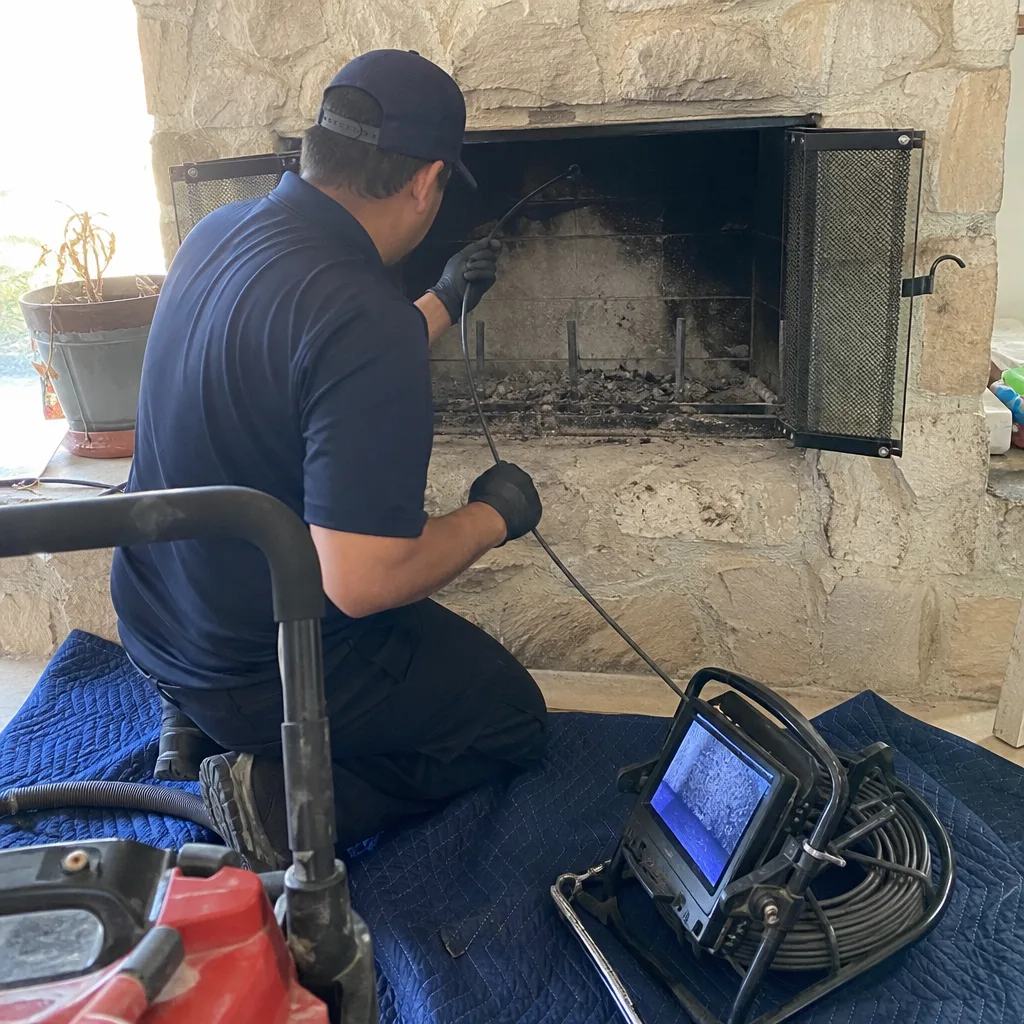
National guidelines suggest annual chimney sweeping for wood-burning appliances. In Santa Clarita, that frequency is a minimum, not a target, and the timing matters as much as the interval - a topic we cover in depth in our Seasonal Chimney Cleaning Care for Santa Clarita: Year-Round Homeowner’s Guide.
October-November: Pre-Season Critical Window
Santa Ana wind season overlaps with first-fire weather. Relative humidity drops below 15%. The National Weather Service issues Red Flag Warnings for the Santa Clarita Valley multiple times each autumn. Chimneys that sat idle since March may contain moisture-hardened deposits, animal nesting from summer vacancy, or structural damage from thermal cycling. This is the highest-leverage sweep window. We book heavily in October; homeowners who wait until Thanksgiving week often face two-week delays.
December-February: Peak Use, Peak Risk
Continuous nightly firing builds creosote progressively. In Canyon Country and Sand Canyon, where many homes rely on wood heat as primary or supplementary, we see Class II and III creosote formation in single seasons. The Sundowner winds of January 2021 pushed gusts to 71 mph at Magic Mountain. Those conditions don’t just increase wildfire spread rates; they create positive pressure in chimneys with marginal draft, pushing smoke and CO into living spaces.
March-April: Post-Season Assessment
The end of heavy use is the right time for repair scheduling. Moisture from spring rains reveals crown and flashing failures that summer heat had sealed. We document conditions in March, quote repairs with written prices under Haven Standard Clause 1, and schedule work before the next cycle begins.
May-September: Off-Season Maintenance
Cap and crown repairs, liner replacement, and rebuilds happen now. Materials from DuraFlex and HeatShield cure properly in warm, dry conditions. Scheduling in summer avoids the October rush and often permits faster turnaround on material orders through our Haven buying network.
How to Read a Chimney Cleaning Invoice
The invoice tells you what was actually purchased. Most Santa Clarita homeowners don’t know what to verify, so they verify nothing. Here’s what a proper invoice should contain, and what its absence means.
| Line Item | What It Confirms | Red Flag If Missing |
|---|---|---|
| Pre-sweep camera image | Condition before work; baseline for comparison | No documentation of starting state; impossible to prove what changed |
| Sweep method and tool type | Appropriate technique for flue material | Generic “chimney sweep” with no specification |
| Post-sweep camera image | Completeness of deposit removal; liner condition visible | Sweep claimed complete without visual verification |
| Liner condition assessment | Structural integrity documented | No mention of liner material or condition |
| Written recommendations with prices | Haven Standard Clause 1 compliance; no surprise charges | Verbal “you might need” without written scope or price |
| Technician name and license info | Accountability; verifyable credentials | No individual identified; no license number |
| Photo record archive reference | Clause 4 documentation; future retrievability | No record exists; no proof work occurred |
If your invoice lacks these elements, you received labor, not a documented service. In Santa Clarita’s insurance and real estate markets, that distinction matters, and knowing how to vet providers upfront helps - see our How to Hire a Chimney Cleaning Contractor in Santa Clarita: A Step-by-Step Guide. Home buyers in Valencia specifically request chimney documentation. Insurers writing in wildfire zones increasingly require proof of maintenance. An invoice that says “sweep: $225” with no supporting documentation is a receipt for a brush going up a flue. It proves nothing about what was found, what was done, or what condition remains.
Chimney Cleaning Costs in Santa Clarita
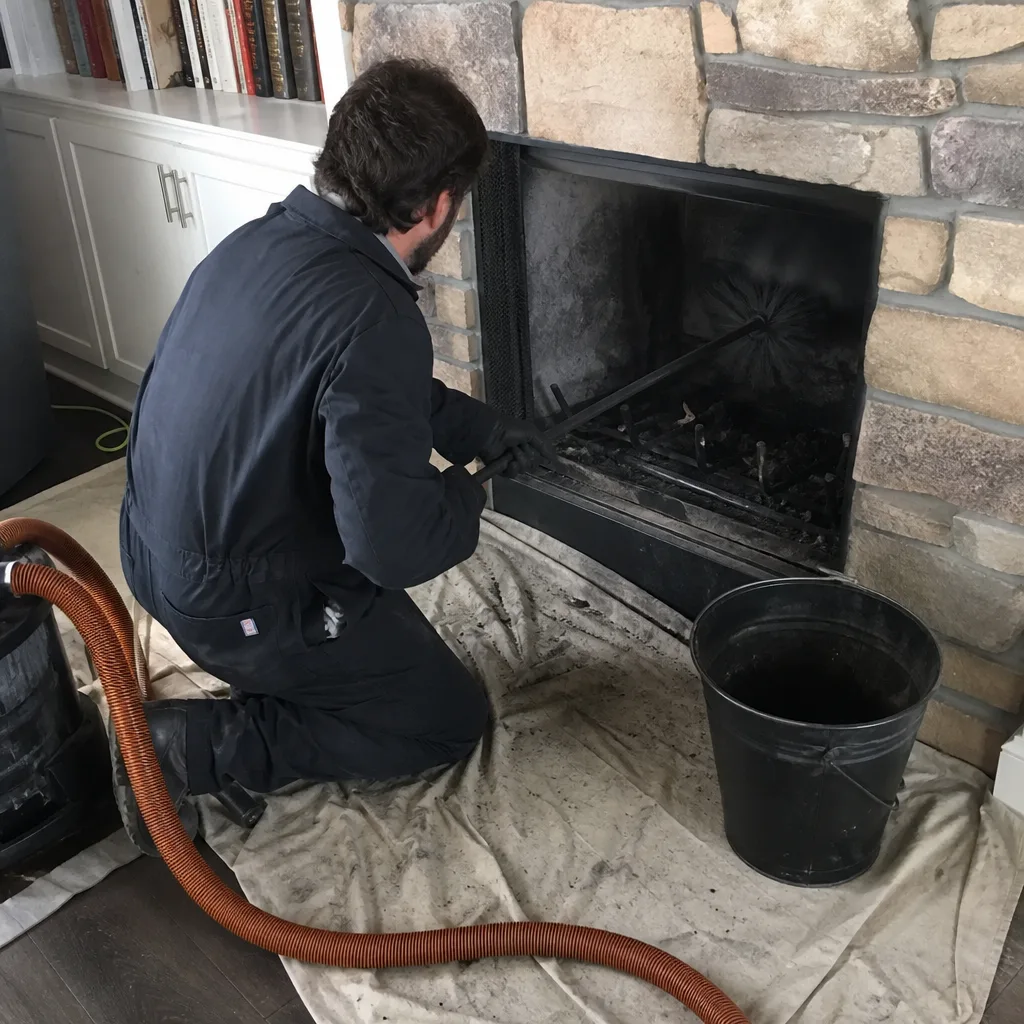
Price transparency is Haven Standard Clause 1: written price, written scope, written warranty before work starts. Here’s what chimney cleaning costs in the Santa Clarita market, based on our 38,000+ jobs since 2009.
| Service | Price Range | What’s Included |
|---|---|---|
| Standard chimney sweep with Level 2 inspection | $189-$249 | Mechanical sweep, camera scan, photo record, written report |
| Heavy-creosote removal (Class II-III) | $279-$349 | Chemical pretreatment, rotary restoration sweep, extended camera documentation |
| Insert or freestanding stove sweep | $229-$289 | Appliance disconnect, flue sweep, reassembly, draft test |
| Second flue (same structure) | $129-$169 | Full sweep and inspection of additional flue |
| Written repair estimate | No charge | Scope, materials specification, labor breakdown, warranty terms |
Several factors push Santa Clarita jobs toward the higher end of these ranges. Two-story homes in Tesoro del Valle and Fair Oaks Ranch require additional ladder work and roof safety setup. Chimneys with terracotta liners from the 1980s-1990s building boom often need gentle sweep methods to avoid spalling damage. And the clay soils throughout the Santa Clarita Valley cause more foundation settling than granite-bedrock regions, which means more vertical liner cracks requiring careful camera navigation.
We don’t charge extra for camera work. We don’t charge extra for the photo record. Those are Clause 4 requirements, not upgrades. What we do charge for is time and materials: if your chimney hasn’t been swept in five years and requires chemical pretreatment for glazed creosote, that costs more than a routine annual sweep. The price is always in writing before we start. No exceptions.
Our Free Second Opinion on Any Written Estimate applies here too. Bring us a competitor’s written quote for chimney cleaning, chimney repair in Santa Clarita, or liner replacement. We’ll review the scope, identify what’s included and what’s omitted, and give you our assessment at no charge.
Common Mistakes to Avoid
- Hiring based on lowest price without verifying what’s included. A $99 sweep special in Santa Clarita typically excludes camera inspection, excludes photo documentation, and excludes written findings. You’re paying for a brush, not a diagnosis. The $130 difference buys documentation that protects your home value and safety.
- Assuming annual sweeping means annual inspection. Many homeowners book “a sweep” and assume inspection is automatic. In our experience, roughly 40% of Santa Clarita competitors don’t run a camera on routine sweeps. Ask explicitly: “Will you camera-scan the flue and provide images?” If the answer is no or costs extra, you’re not getting Level 2 documentation.
- Ignoring wind-season timing. Waiting until December to schedule in Santa Clarita means competing with every other homeowner who had the same idea. More importantly, it means operating your fireplace through the highest-risk wind period without verified flue condition. October sweeps are preventive. January sweeps are often reactive, after smoke backup or odor has already signaled a problem.
- Accepting verbal recommendations without written scope and price. This is how $250 sweeps become $4,000 “emergency repairs.” Haven Standard Clause 1 exists because we watched it happen. Every recommendation we make arrives in writing, with materials specified (DuraFlex liner, HeatShield cerfractory foam, Gelco cap, etc.), labor itemized, and warranty stated. Nothing starts without your signature on that scope.
- Discarding documentation after the job. The photo record from your chimney cleaning belongs in your home file, with your insurance policy and property survey. In Santa Clarita’s active real estate market, buyers and their inspectors request this documentation. In wildfire insurance reviews, it demonstrates maintenance. Clause 4 archives exist partly for this purpose, but your own copy is immediate access.
- Using the fireplace as a primary heat source without more frequent monitoring. In Saugus and Canyon Country, where some homes lack central gas heat or homeowners prefer wood for cost control, continuous winter firing exceeds the assumptions behind “annual” sweeping. If you’re burning more than three cords per season, consider mid-season inspection. Class III creosote can form in 60-90 days of heavy use.
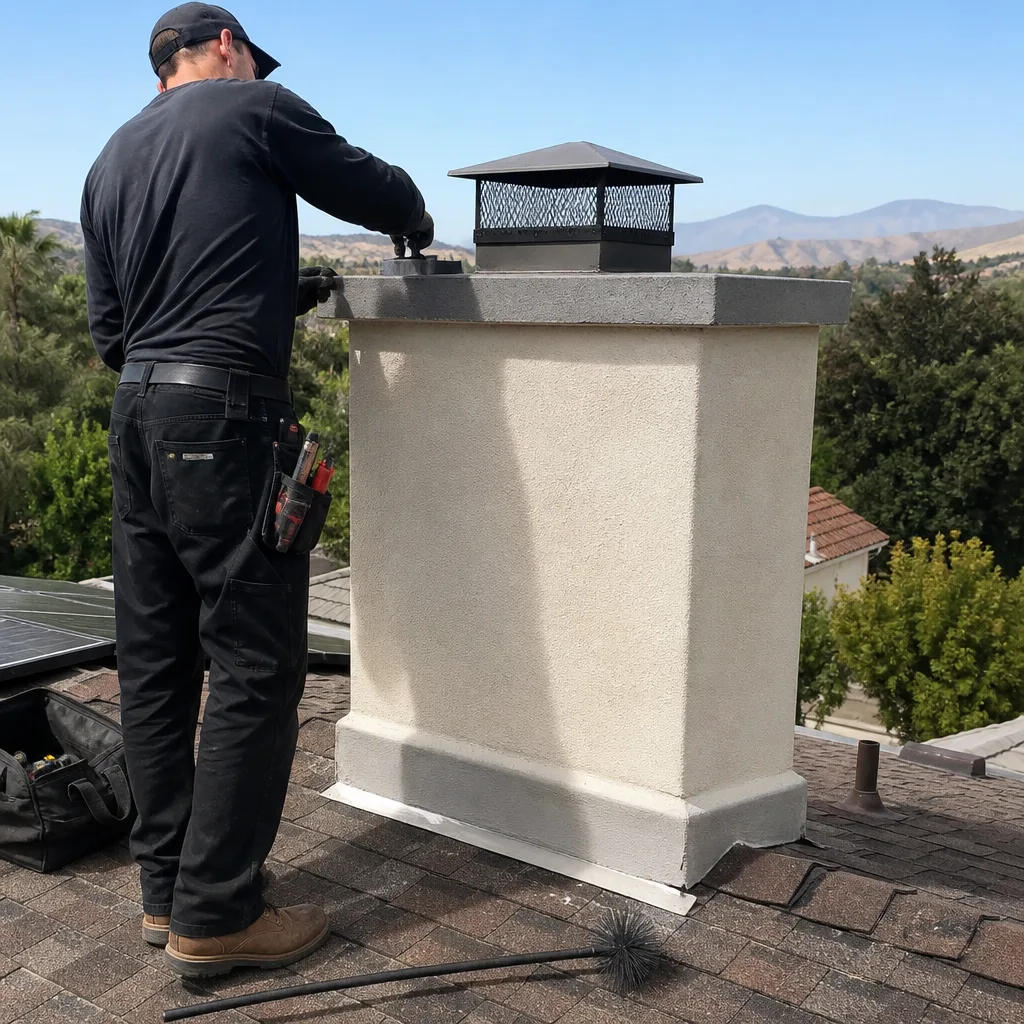
- Neglecting the cap and crown. The sweep addresses the flue interior. The cap and crown protect it from water, animals, and debris. In Santa Clarita’s summer heat, crown mortar cracks accelerate. Winter rains enter, freeze-thaw cycles expand cracks, and by October your “clean” flue has water damage and nesting material. We inspect crown and cap from the roof as part of our service; many companies don’t.
When to Call a Professional
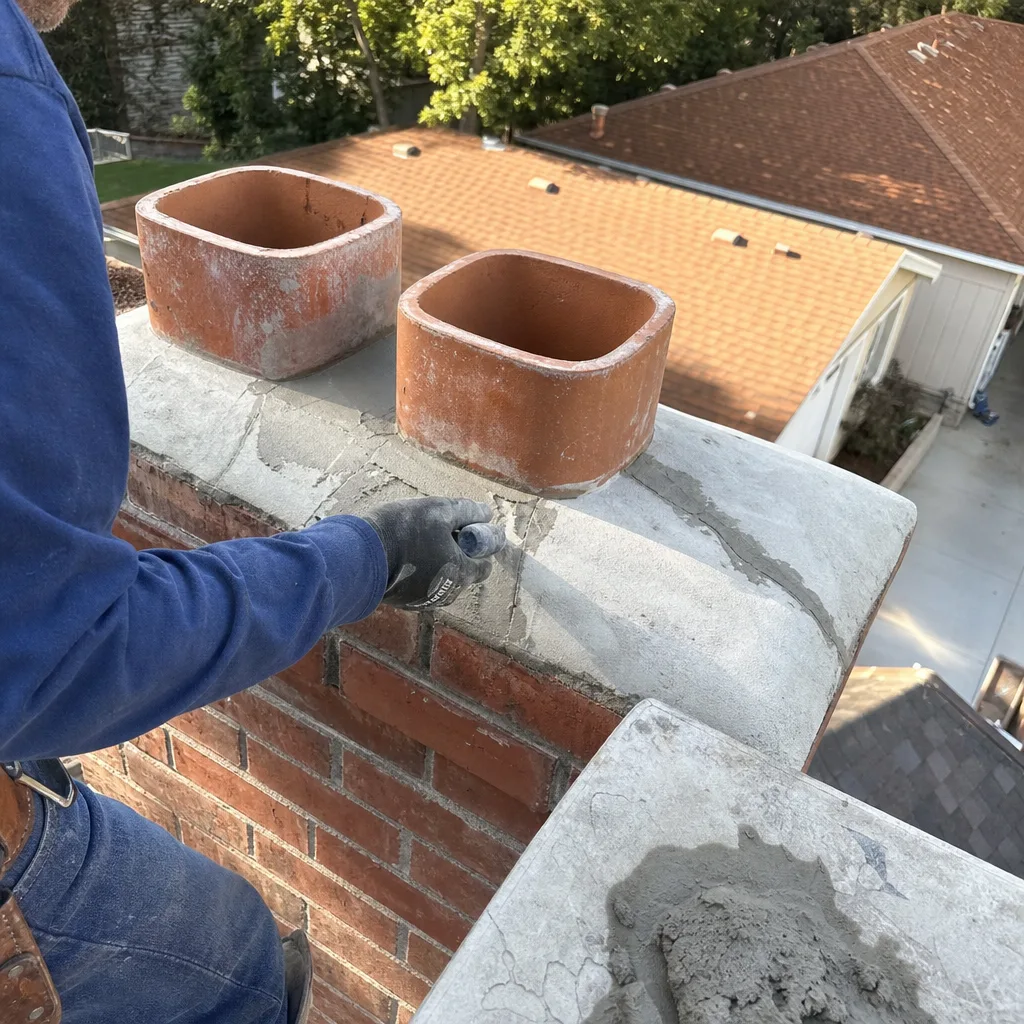
Call for chimney service before the situation becomes urgent. In Santa Clarita specifically, contact a professional sweep when: you haven’t had documented camera inspection in over 12 months; you smell smoke or creosote odor when the fireplace isn’t in use; you see debris or staining on the exterior chimney below the crown; your fire burns poorly or smokes into the room; or you’re buying or selling a home in Valencia, Stevenson Ranch, or Canyon Country and need transfer documentation.
We’re not going to tell you that every delay risks catastrophe. That’s urgency theatre, and we don’t do it. We will tell you that Santa Clarita’s wind patterns and wildfire exposure make documented flue condition more consequential here than in most U.S. markets. A cracked liner in Minneapolis is a repair item. A cracked liner in Santa Clarita during a Santa Ana event is a vulnerability that embers can exploit.
Chimney Cleaning & Sweep in Santa Clarita from Level Two Chimney Santa Clarita includes the full three-phase sequence on every visit. We offer free estimates throughout Santa Clarita, Valencia, Saugus, Canyon Country, and Stevenson Ranch. Call (747) 294-2146 to schedule. A live person answers, 24 hours a day. You’ll get a named technician, a text when they’re en route, and a written price before any work begins.
Frequently Asked Questions
A standard chimney sweep with NFPA 211 Level 2 camera inspection in Santa Clarita costs $189-$249. Heavy creosote removal runs $279-$349. The price includes mechanical sweep, camera scan, photo record, and written report with recommendations. We deliver a written price before work starts on every job, with no add-on charges for documentation. Call (747) 294-2146 for an exact quote - estimates are free.
At minimum, annually, before the first fire of the season. In Santa Clarita’s wildland-urban interface, with Sundowner and Santa Ana wind events that accelerate creosote staging and ember exposure, heavy-use households burning more than three cords per season should consider mid-season inspection. The national “once per cord” guideline doesn’t account for our pressure-differential conditions that pull harder on chimney drafts. Call (747) 294-2146 to discuss your specific burning pattern.
Combustible creosote accumulates on flue walls. At 1/8-inch thickness, it can ignite at temperatures normal fires produce. A chimney fire burns at 2,000°F+, cracking terracotta liners, warping metal liners, and penetrating to combustible framing. In Santa Clarita’s dry climate, that structure fire spreads fast. Even without ignition, partial blockage from creosote or nesting material pushes carbon monoxide and smoke into living spaces. The risk isn’t theoretical - we’ve documented cracked liners in homes where the homeowner “never had a problem” until they did.
You need evidence, not trust. A proper Level 2 inspection produces camera images of the liner condition. We show you the cracks, gaps, or spalling, explain what they mean for draft and safety, and provide a written scope with materials specified - DuraFlex stainless, HeatShield cerfractory, or other appropriate solution. Our Free Second Opinion on Any Written Estimate exists precisely for this concern. Bring us any competitor’s quote. We’ll review it against the images and scope, at no charge. No work proceeds without your written approval of a specific price.
A sweep removes combustible deposits. An inspection evaluates structural condition. They’re related but distinct operations. The brush cleans; the camera sees. NFPA 211 Level 2 requires both, plus written documentation. Many Santa Clarita companies conflate the terms, offering “sweep and inspection” that includes only a flashlight look. Ask specifically: “Will you run a camera and provide images?” If the answer is unclear, you’re not getting what the standard requires.
Mechanical sweeping of a ground-level, single-story fireplace with straightforward flue access is physically possible for a homeowner with proper tools. We don’t recommend it, and we won’t provide step-by-step instructions. Here’s why: without camera inspection, you can’t verify completeness or identify liner damage. Without roof access and training, you can’t assess crown, cap, or exterior condition. And in Santa Clarita’s two-story homes with steep roof pitches - common in Valencia and Tesoro del Valle - ladder work carries genuine fall risk. The documented record from professional service also has value for insurance and real estate that DIY cleaning cannot provide. For fireplace services in Santa Clarita that include full documentation, professional service is the practical choice.
The Bottom Line
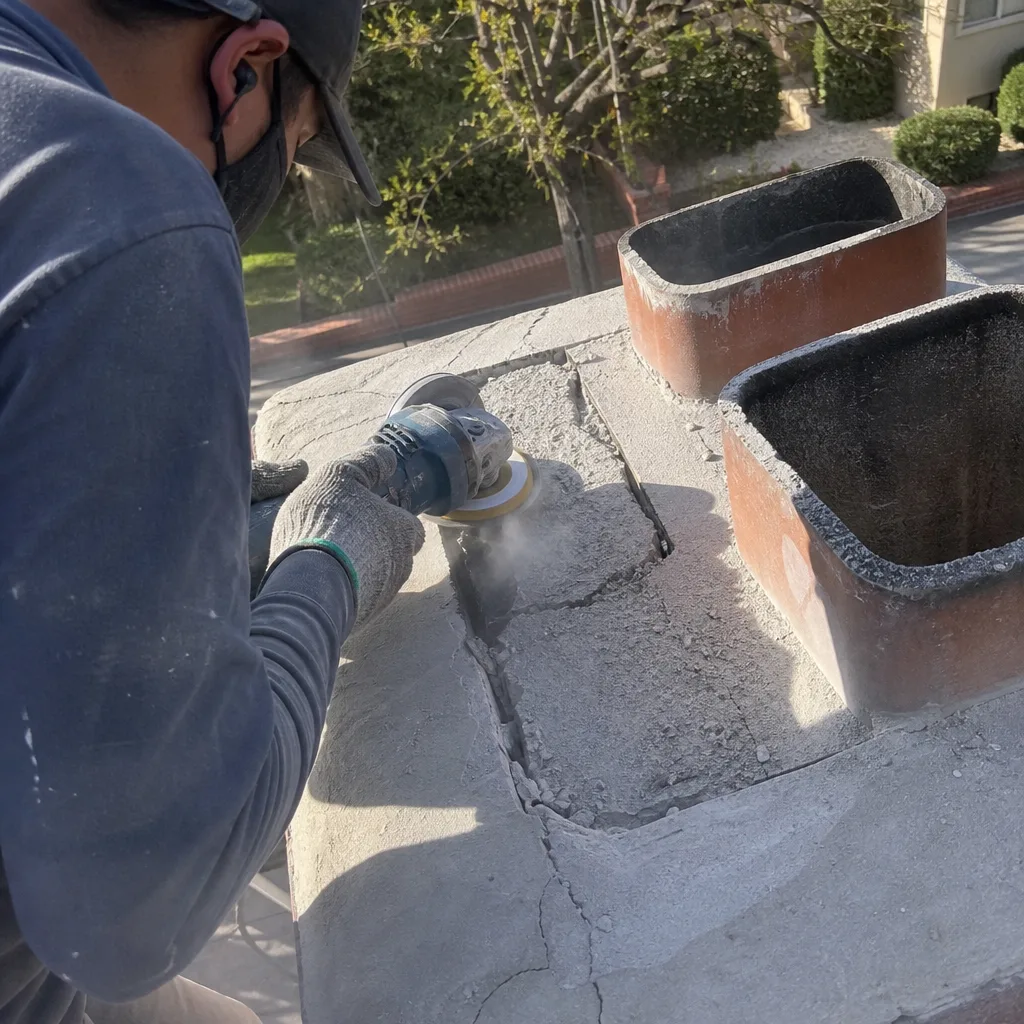
Chimney cleaning in Santa Clarita is not a single service. It’s a sequence - sweep, inspect, document - and each phase proves something the others cannot. The city’s wildfire exposure, wind patterns, and housing stock make that sequence more consequential here than national averages suggest. When you hire a sweep, verify what you’re buying: camera inspection included, photo record produced, written price delivered before work starts. The invoice should prove documentation, not just labor. Level Two Chimney Santa Clarita has operated under these standards since 2009, with 38,000+ jobs completed under the Haven Standard’s written-price, documented-record, done-right promise. For more guides & resources on protecting your home, explore our blog.
Call (747) 294-2146 for a free estimate. A live person answers, 24 hours a day. We’ll give you a written price before any work starts, a named technician with background check and license verification, and a photo record you can keep - Clause 4 of the Haven Standard, every time.
Written by Corrine Halstead, Owner at Level Two Chimney Santa Clarita, serving Santa Clarita since 2009.