
Last updated September 21, 2026
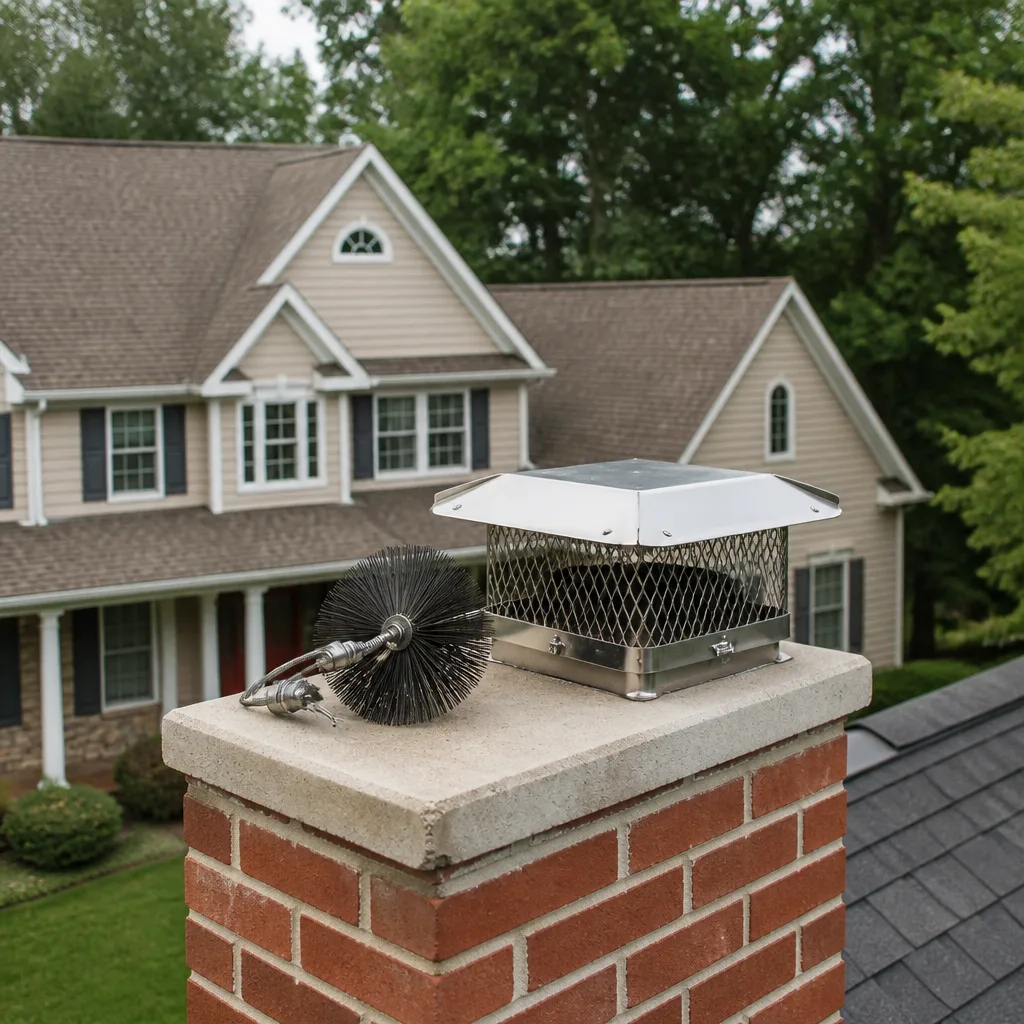
Level 1 sweep and inspection to the NFPA 211 annual standard - flue, crown, cap, and flashing checked and photographed
Chimney sweep logs do not sweep chimneys. They loosen some creosote - which then falls where a brush and vacuum still have to collect it.
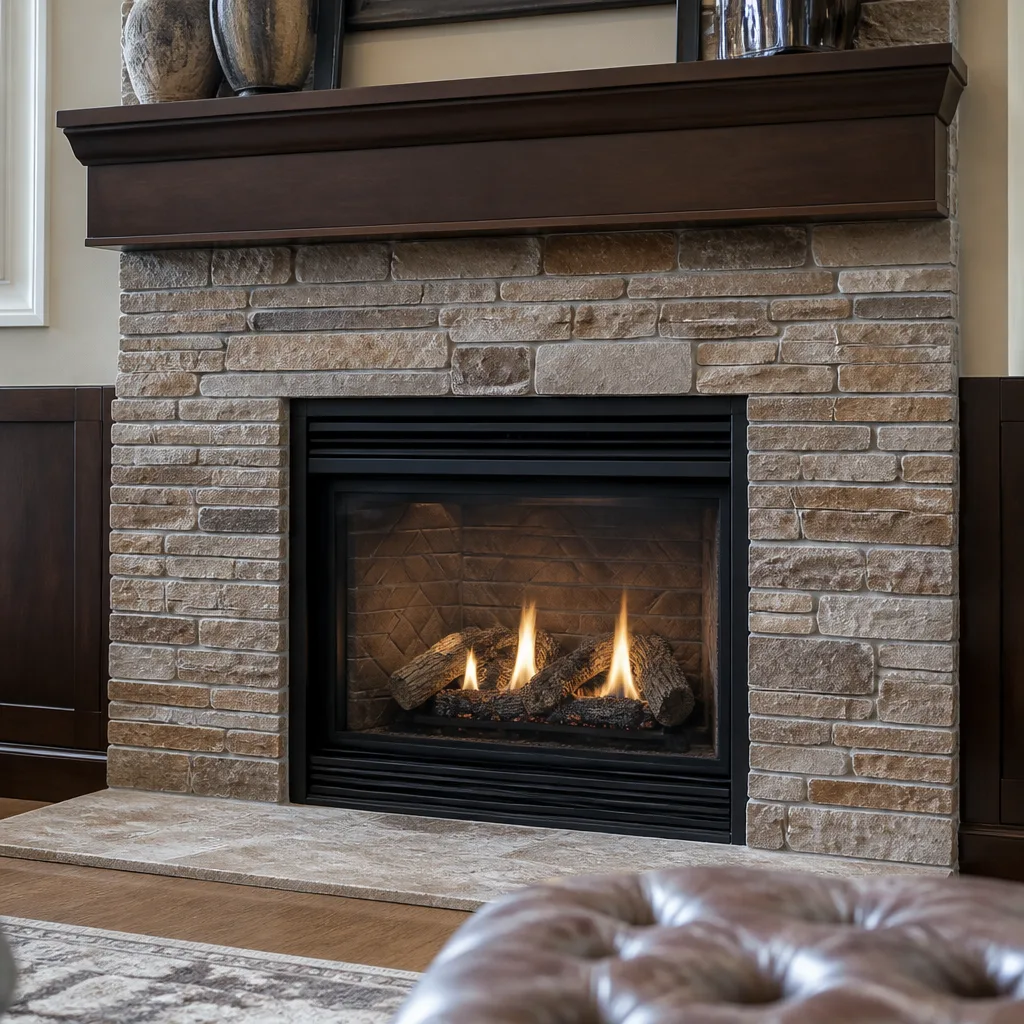
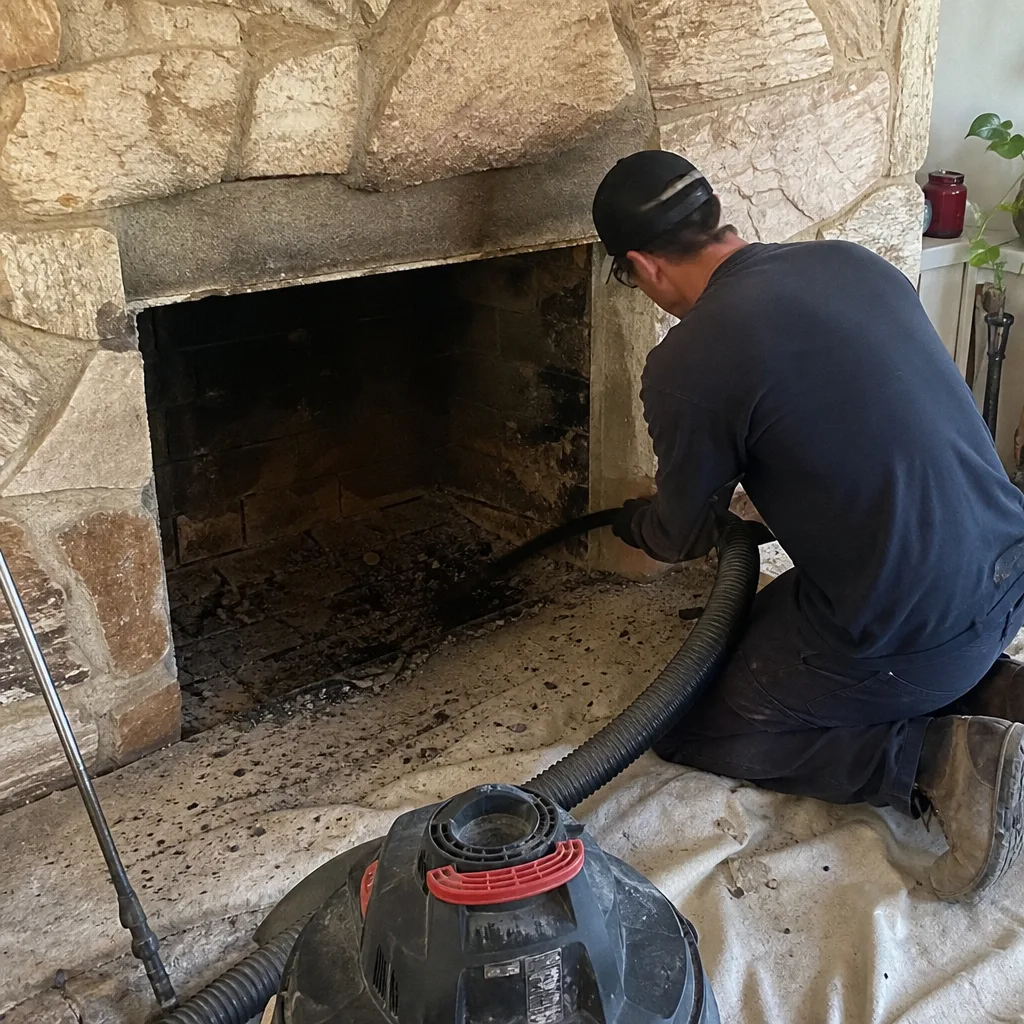 Before
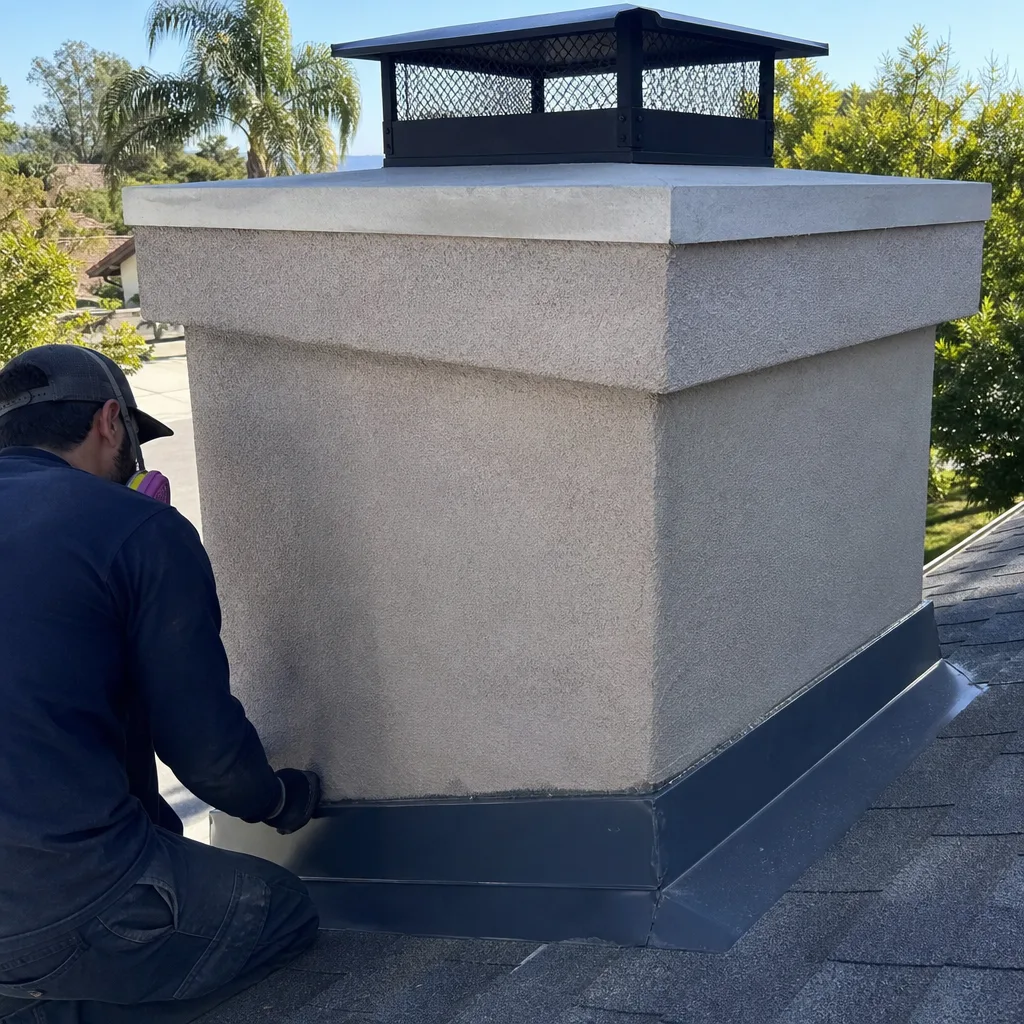 After
After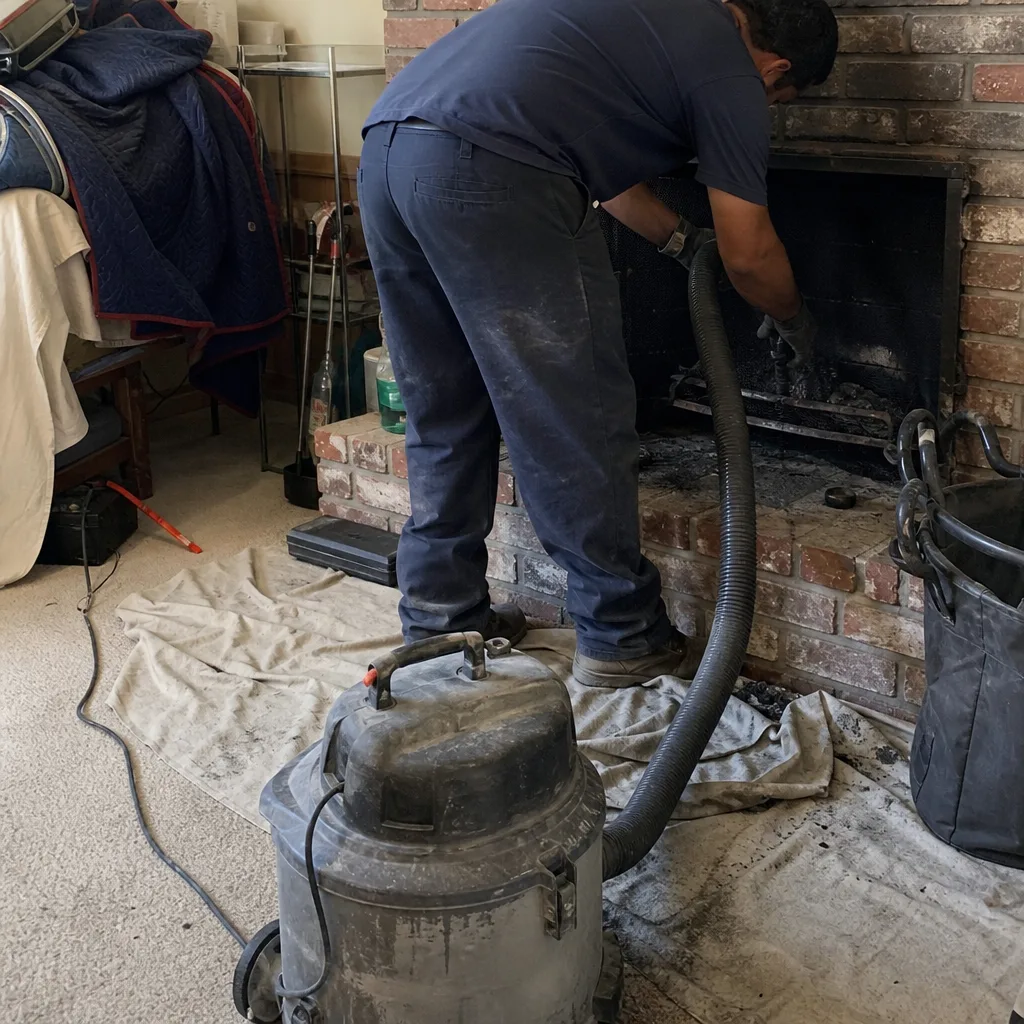 Before
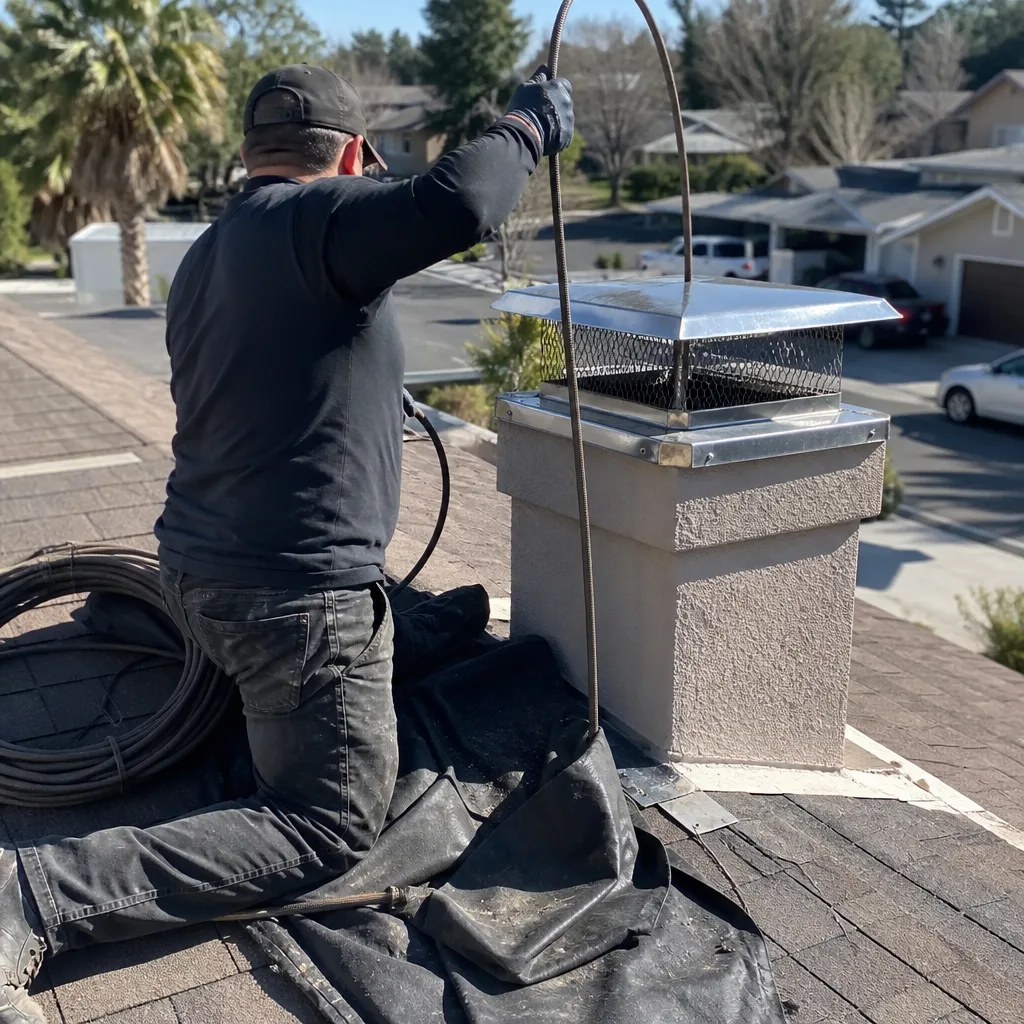 After
After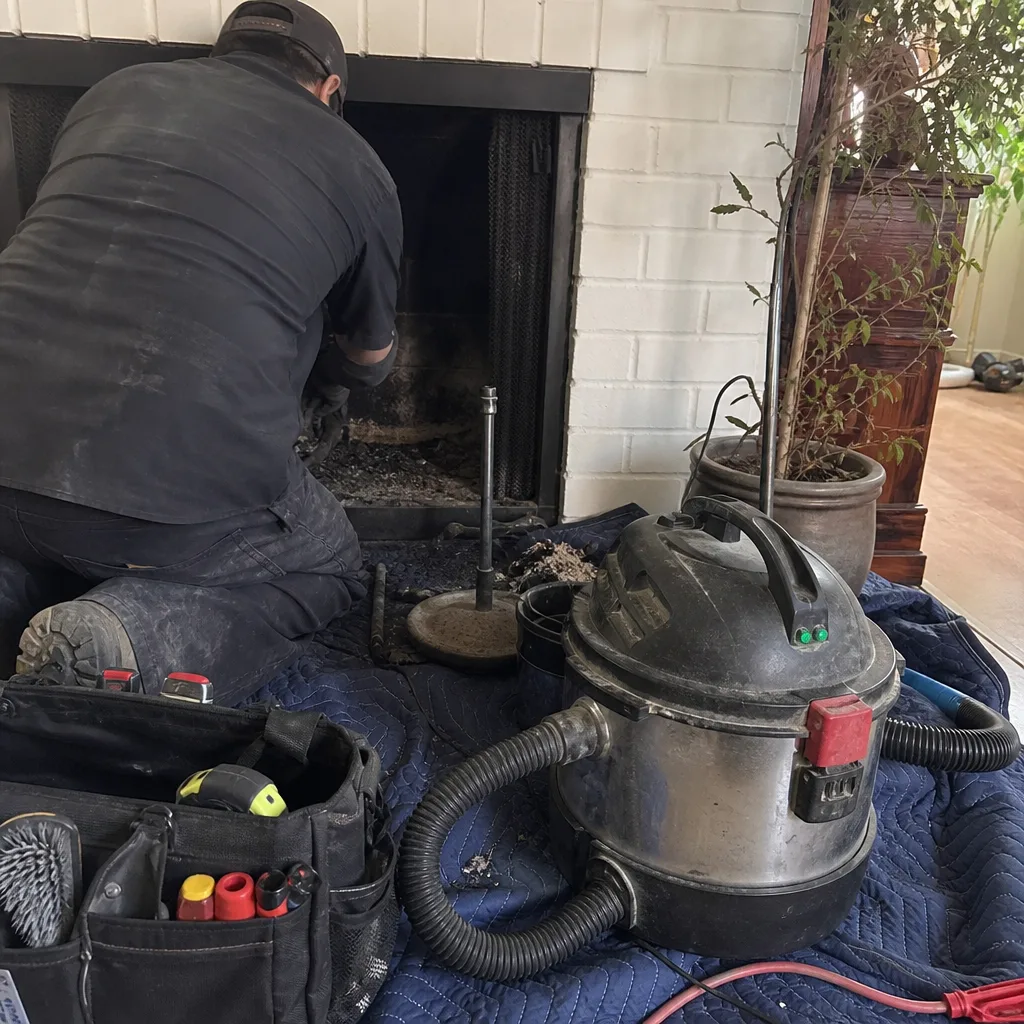 Before
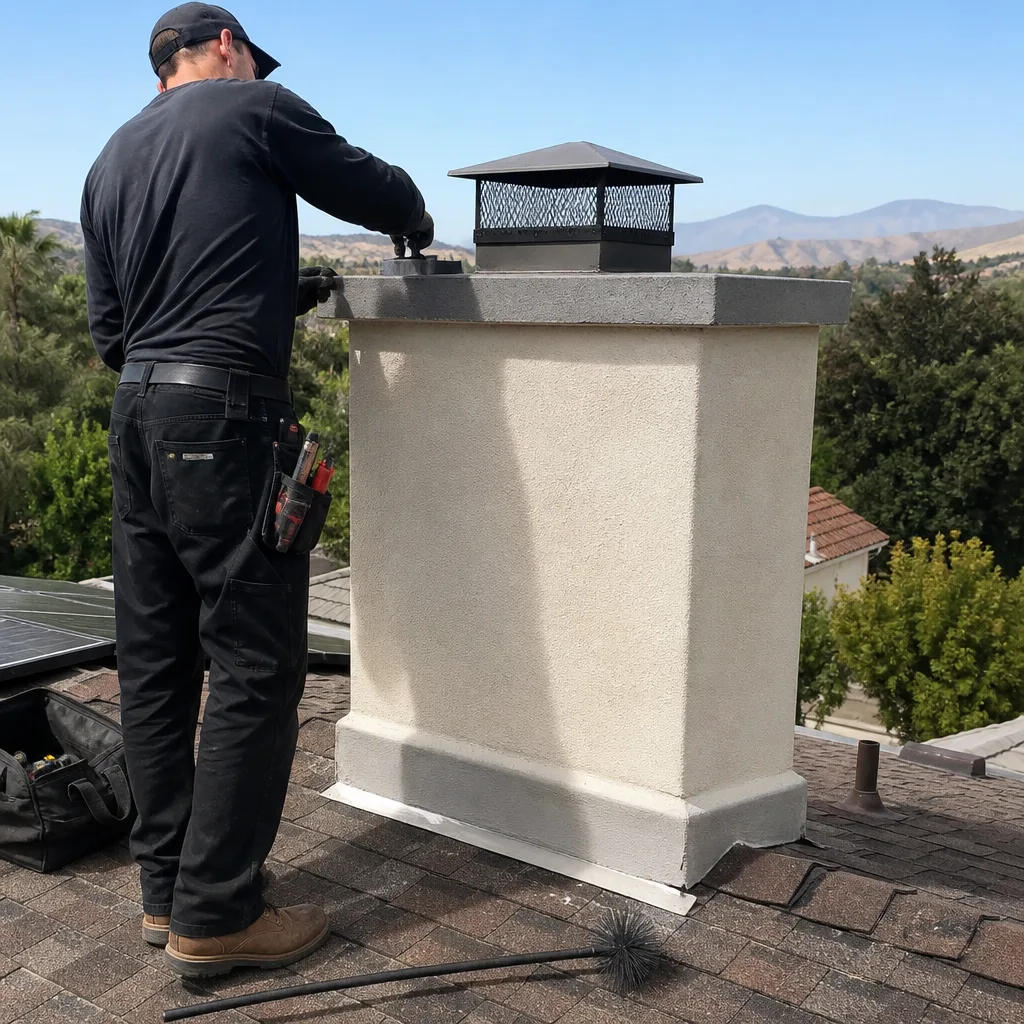 After
AfterSeasonal Chimney Cleaning Care for Santa Clarita: Year-Round Homeowner’s Guide
The national advice - clean your chimney once a year, preferably in fall - was written for climates with a true off-season. Santa Clarita doesn’t have one. Wildfire ember exposure runs May through November, and wood-burning creosote deposits accumulate October through April. That overlap means a chimney swept too early holds fresh deposits before burn season ends, and one swept too late faces ember intrusion with an uninspected flue. In this guide, we’ll map the exact maintenance calendar Santa Clarita homeowners need, season by season, with specific tasks tied to local climate patterns and fire-risk windows - and point you to more guides & resources for ongoing chimney care.
Quick Answer
Santa Clarita chimneys need attention four times yearly: a late-summer inspection and sweep before wildfire season, a post-burn-season assessment in spring, summer cap and crown checks during dry-heat expansion cycles, and a mid-burn-season creosote monitoring point in January. The critical window most homeowners miss is August through September, when the flue must be clean and documented before Santa Ana winds and ember exposure peak.
Table of Contents
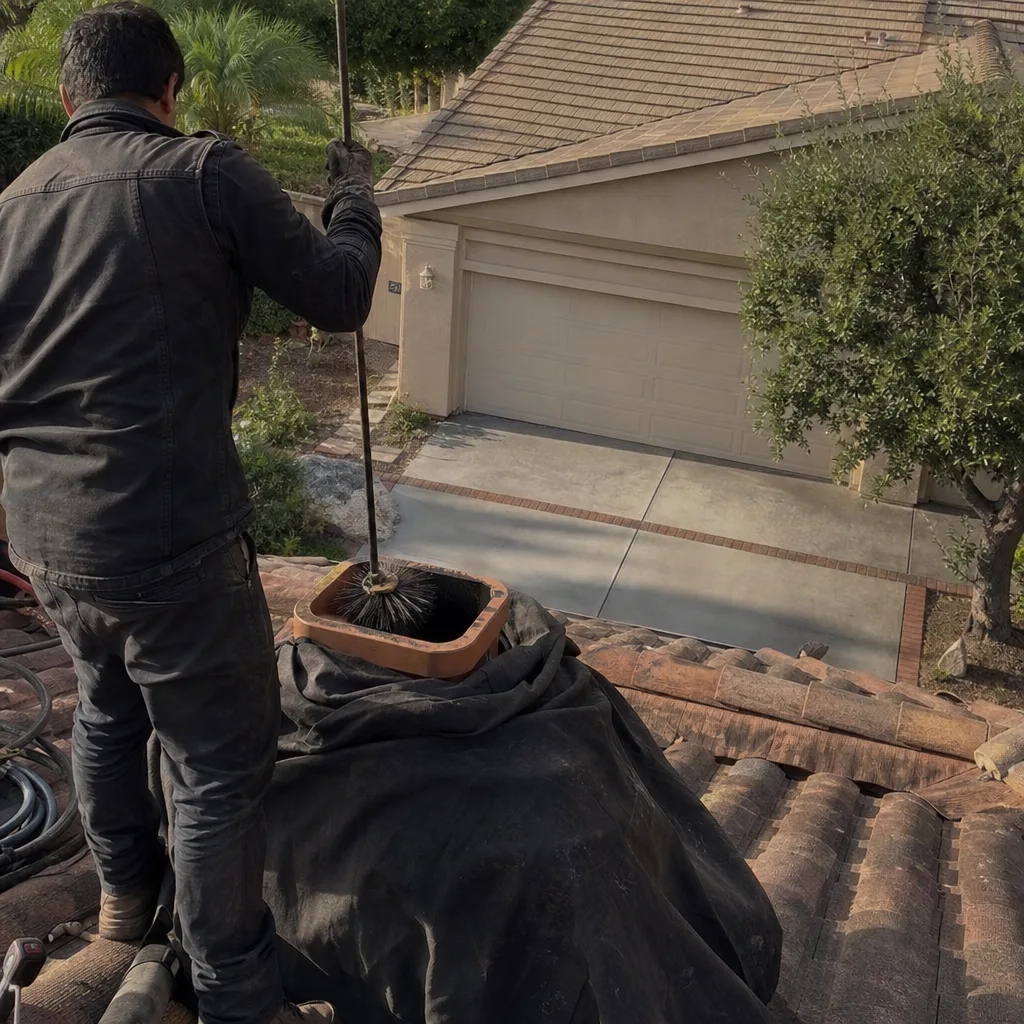
- Why Santa Clarita’s Chimney Calendar Is Different
- The Late-Summer Window: Pre-Fire-Season Inspection (August-September)
- Fall Burn Season Start-Up: What to Verify (October-November)
- Mid-Winter Monitoring: The January Creosote Check
- Spring Shutdown: Post-Burn-Season Documentation (April-May)
- Summer Structural Checks: Dry Heat, Expansion Cracks, and Cap Integrity
- Building Your Year-Over-Year Record: How Documentation Catches Deterioration Early
- Common Mistakes to Avoid
- When to Call a Professional
- Frequently Asked Questions
- The Bottom Line
 Before
 After
AfterWhy Santa Clarita’s Chimney Calendar Is Different
Most chimney guides assume a binary climate: cold months with fires, warm months without. Santa Clarita sits in Los Angeles County’s northern edge, where the Santa Clarita Valley’s chaparral ecosystem and canyon geography create conditions that break that model.
Here’s what actually happens here. Wildfire season, driven by Santa Ana wind events and dry fuel loads, typically runs May through November. Burn season, when homeowners use wood-burning fireplaces and inserts for heating, runs roughly October through April. The overlap - October and November - is when a chimney must simultaneously handle active use and elevated ember-intrusion risk from nearby wildfires.
This matters for maintenance timing. A chimney swept in early October, following the standard “before burn season” advice, may accumulate six months of creosote before the next inspection. But a chimney swept in late August or early September enters burn season clean, documented, and ready for the dual load. The flue liner’s condition is known before the first fire. The cap and crown integrity are verified before ember exposure peaks.
Santa Clarita’s specific geography amplifies this. The valley’s east-west orientation channels Santa Ana winds through passes at 40-plus mph, carrying embers from distant fires into neighborhoods from Valencia to Canyon Country. A missing cap or cracked crown in September becomes an entry point. A flue partially blocked by summer animal nesting or debris accumulation becomes a chimney fire waiting for an ignition source.
We’ve completed more than 38,000 chimney inspections since 2009, and the pattern in Santa Clarita is consistent: homeowners who treat chimney maintenance as a single annual event miss deterioration that accelerated between visits. The ones who align their calendar with local risk windows catch problems when they’re still cap-and-crown repairs, not full rebuilds.
The Late-Summer Window: Pre-Fire-Season Inspection (August-September)
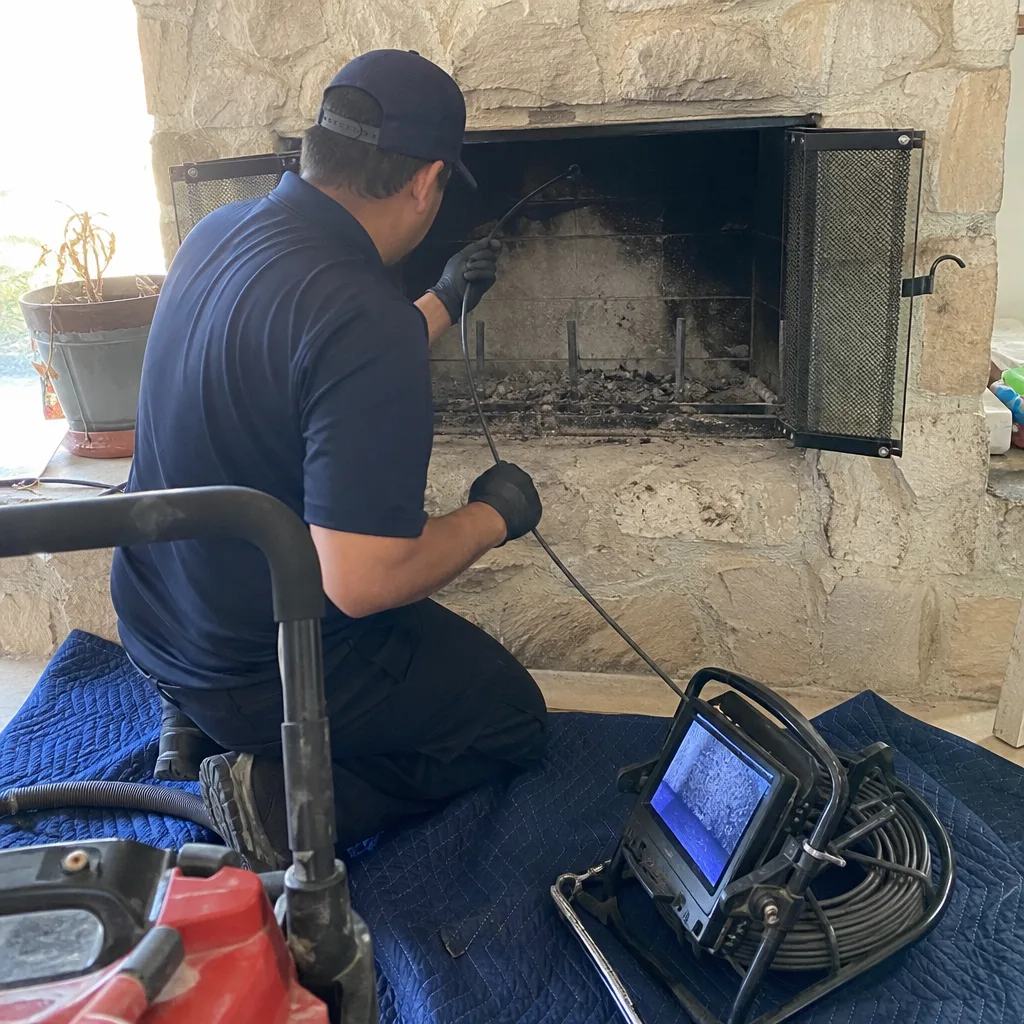
This is the most overlooked maintenance point in Santa Clarita, and it’s the one that matters most.
By late August, the previous burn season’s deposits have had months to cure and harden. Summer heat has stressed mortar crowns through repeated expansion and contraction. Animals seeking nesting sites have had all spring and summer to build in uncapped flues. And wildfire season is approaching its September-October peak.
A Chimney Cleaning & Sweep in Santa Clarita during this window should accomplish four specific tasks:
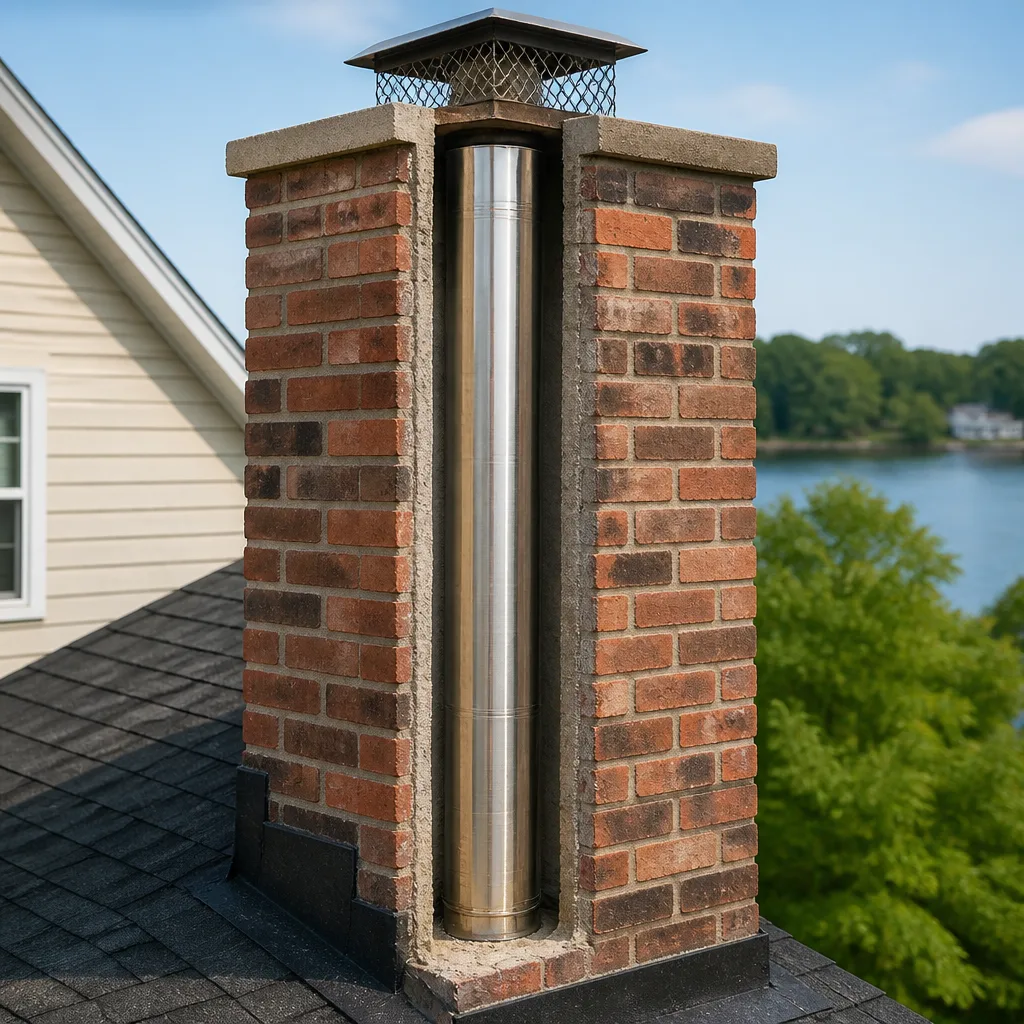
- NFPA 211 Level 2 camera inspection of the full flue. This means a visual scan from firebox to cap, documented with photos or video. We’re looking for liner degradation, joint separation, and creosote classification - Class I (soot), Class II (granular), or Class III (glazed, the most combustible). Clause 4 of the Haven Standard requires this photo record on every job, and late summer is when you want baseline documentation before burn season starts.
- Mechanical sweep to bare liner. All deposits removed, smoke chamber and firebox cleaned, and debris evacuated. The goal is zero measurable creosote entering burn season.
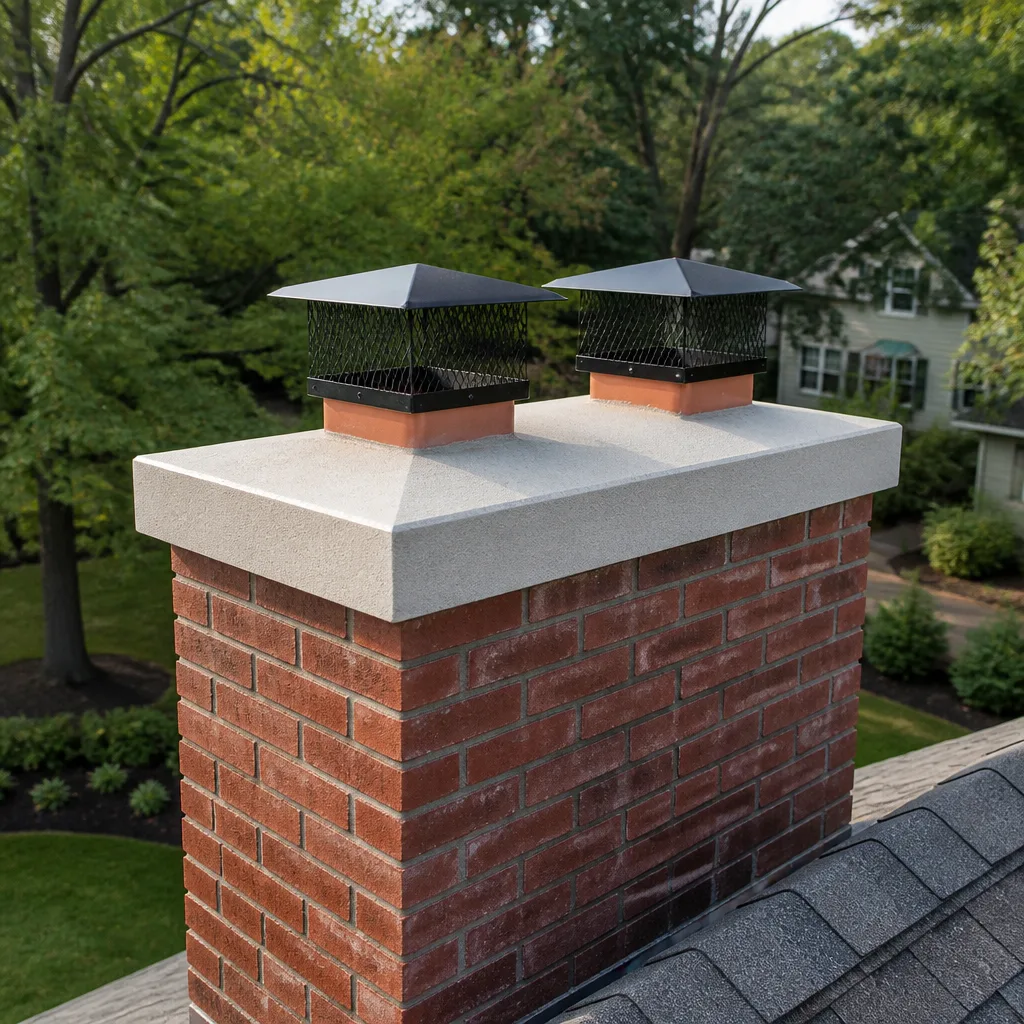
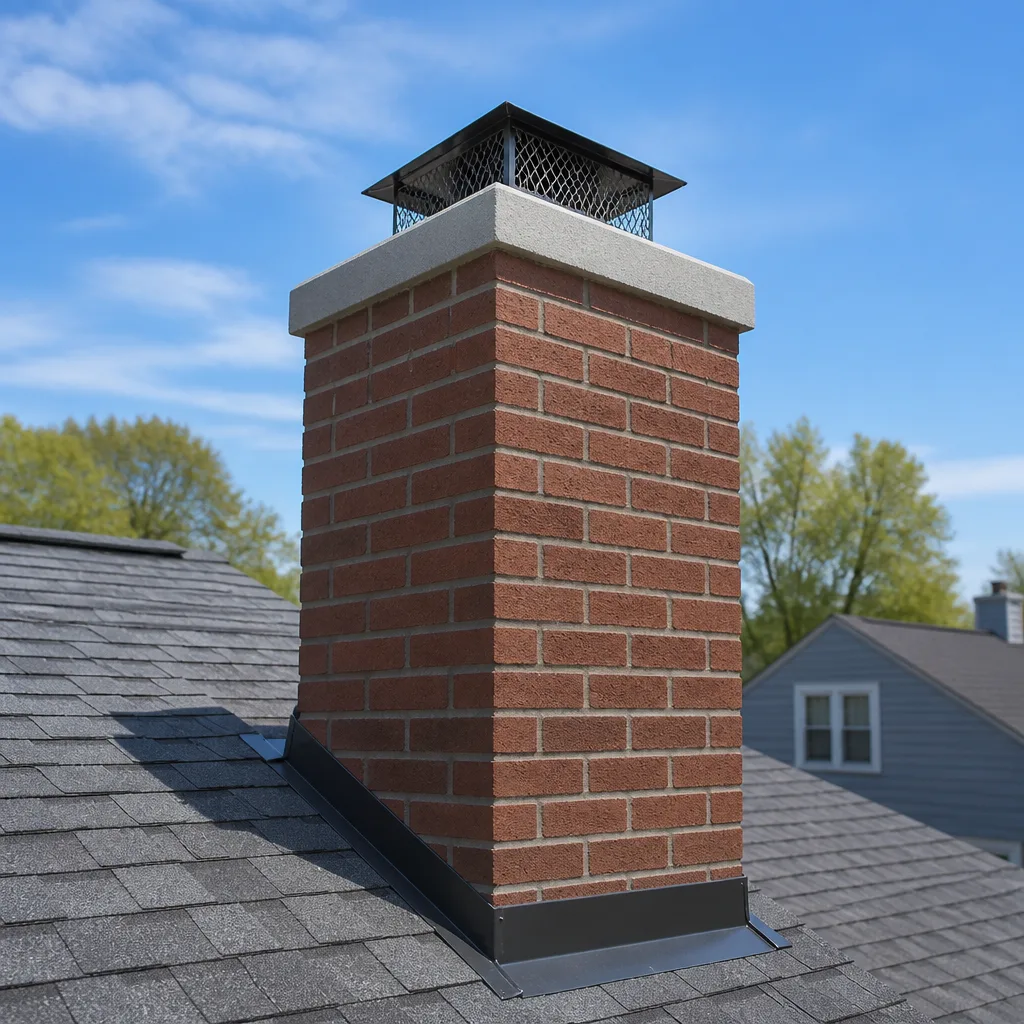
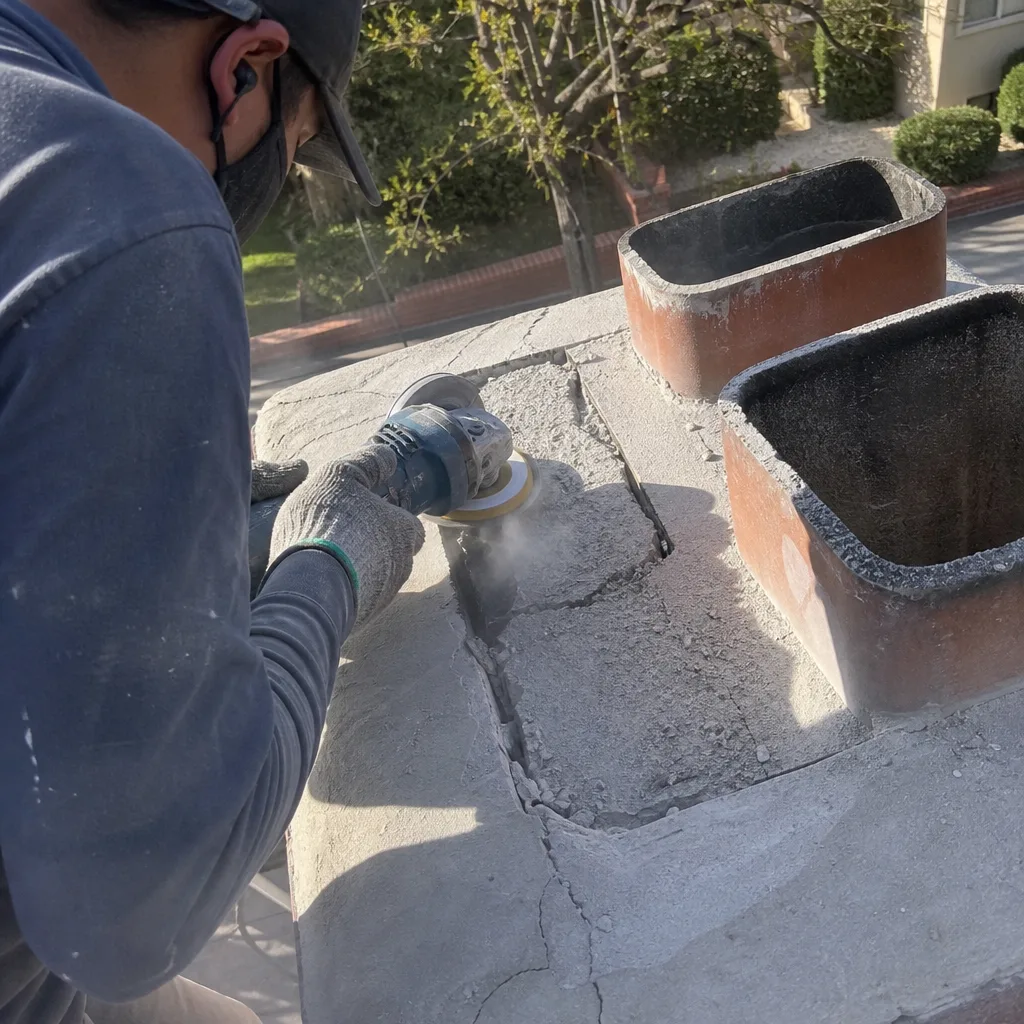
- Cap, crown, and flashing integrity check. Santa Clarita’s dry summer heat causes mortar crowns to crack as they expand and contract daily. A cracked crown channels rainwater into the chimney structure during the rare winter storms, then freezes and expands. By spring, spalling brick faces and deteriorated mortar joints are visible. Catching crown cracks in August means a Chimney Repair in Santa Clarita of a few hundred dollars. Waiting until spring often means structural rebuild territory.
- Spark arrestor and ember protection verification. California Building Code requires mesh screening on chimney caps in wildland-urban interface zones, which includes most of Santa Clarita. The mesh must be intact, properly sized (typically 1/2-inch or 5/8-inch), and free of corrosion. A compromised spark arrestor is a code violation and an ember pathway.
The output of this visit should be a written scope, a written price for any recommended work, and a documented photo record - all delivered before anyone leaves your property. That’s Haven Standard Clause 1: have it in writing.
Neighborhoods in the wildland-urban interface - think Sand Canyon, Bouquet Canyon, and sections of Stevenson Ranch - face elevated ember exposure and should treat this late-summer window as non-negotiable. But even in more developed areas like Valencia and Newhall, the Santa Ana wind events of September and October don’t discriminate by ZIP code.
Fall Burn Season Start-Up: What to Verify (October-November)
Once the first cold snap hits Santa Clarita - usually a late October evening in the low 40s - the impulse is to light the first fire and sort out maintenance later. That’s backward.
If you completed the late-summer inspection and sweep, your start-up checklist is short: verify the damper opens fully and seals when closed, check that no debris has accumulated since the cap was inspected, and confirm your smoke and carbon monoxide detectors are functional. The heavy work is done.
If you skipped the late-summer window, do not burn until you’ve had an inspection. Here’s why. A flue with undetected liner damage or significant creosote buildup, subjected to the first sustained hot fire of the season, is at elevated risk of chimney fire. Chimney fires in Santa Clarita don’t stay isolated. The Santa Ana winds that peak in October and November can carry embers from a chimney fire into adjacent wildland, with consequences that extend well beyond your property line.
For homeowners who burn regularly - more than three times weekly - we recommend a specific start-up protocol:
- First fire: small, using seasoned hardwood only, with the damper fully open and a window cracked for combustion air.
- Monitor for smoke spillage into the room, which indicates drafting problems possibly caused by flue blockage or negative pressure from modern airtight construction.
- Check exterior for unusual smoke density or odor; thin, dissipating smoke is normal, thick or oily smoke suggests creosote ignition.
- After three to five fires, inspect the firebox for unusual residue patterns that might indicate incomplete combustion or liner damage.
This is also the season to verify that your homeowner’s insurance documentation matches your chimney’s actual condition. Some carriers in California have begun requiring proof of recent professional inspection for properties in high fire-risk zones. A written inspection report with photo documentation - the output of every Level Two visit - satisfies this requirement directly.
Mid-Winter Monitoring: The January Creosote Check
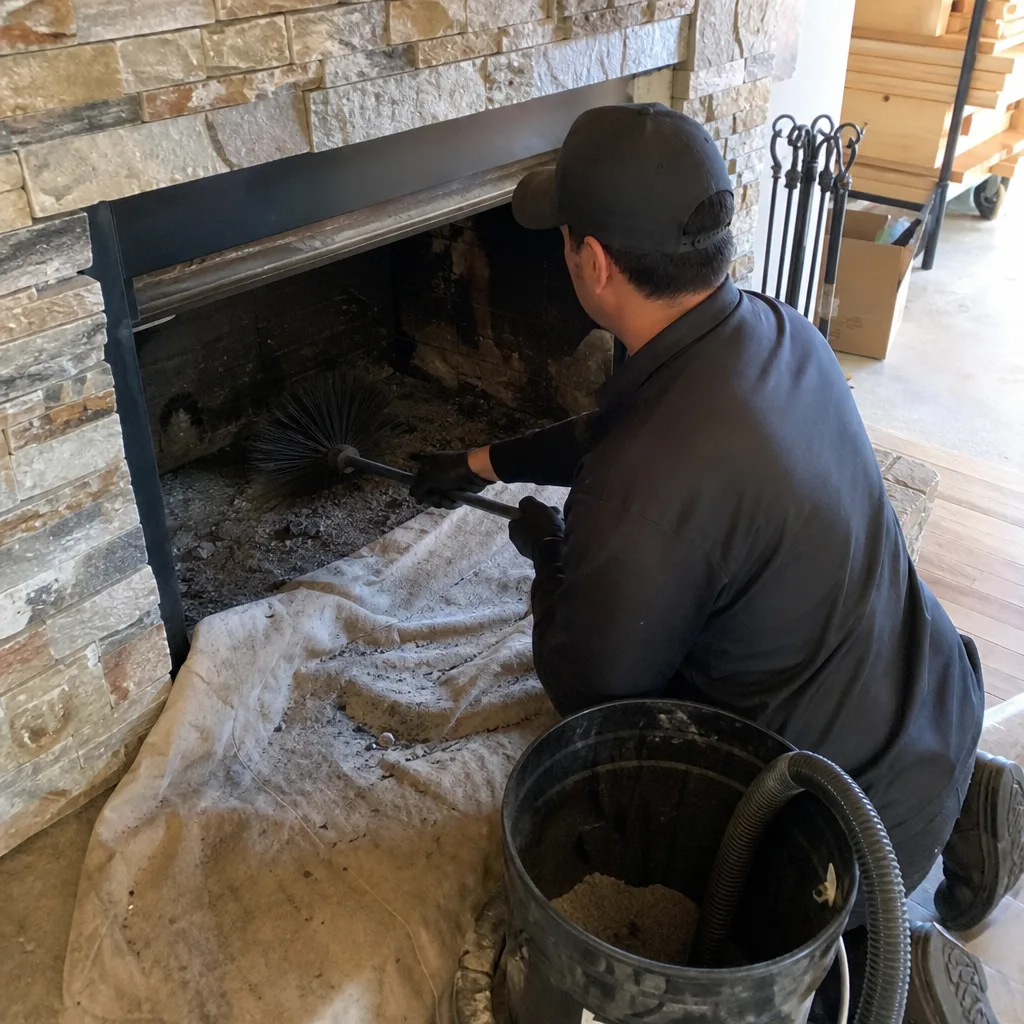
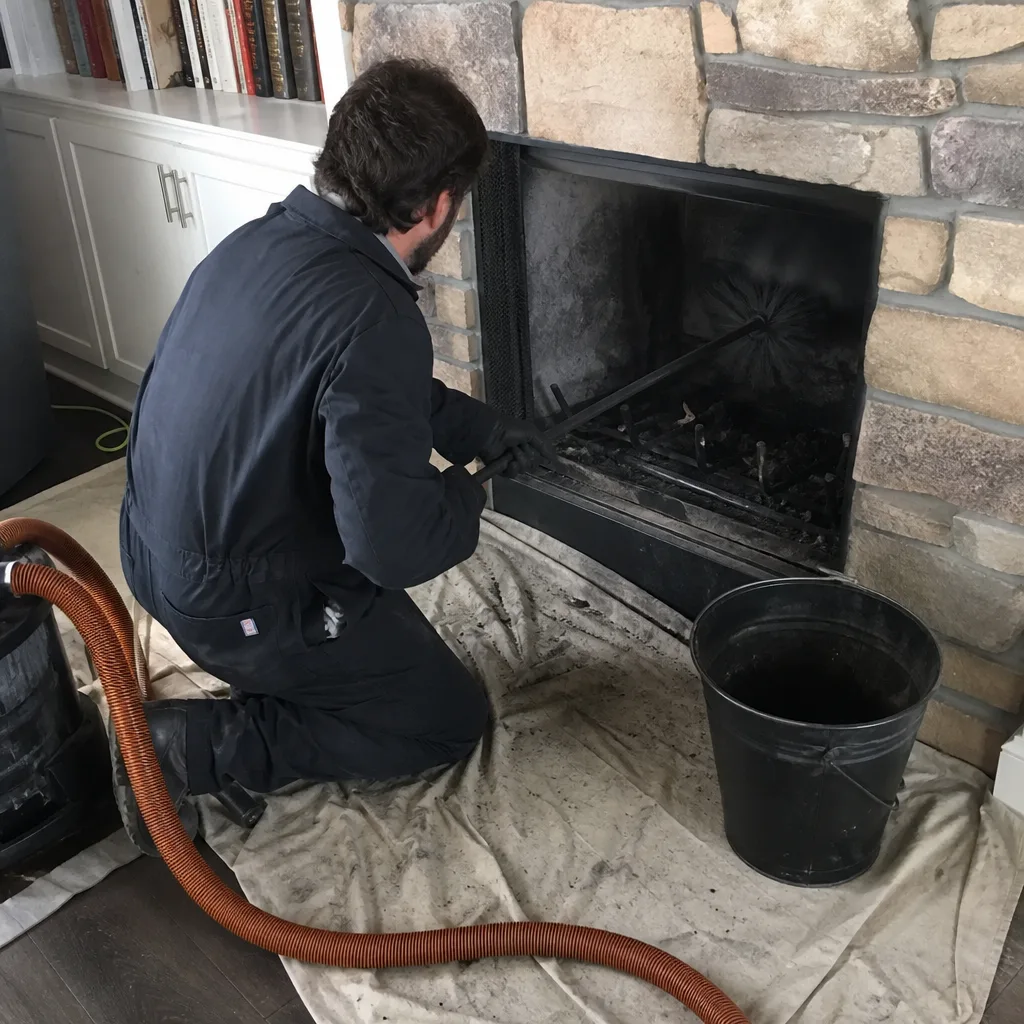
By January, Santa Clarita homeowners who burn regularly have put 60 to 90 fires through their flue. Creosote accumulation rate varies with wood moisture content, burn temperature, and flue draft efficiency, but the midpoint of burn season is the right time to assess whether you’re on track for safe use through April.
This isn’t a full sweep for most homeowners. It’s a targeted inspection, and you can do preliminary monitoring yourself with specific limits.
What you can check safely:
- Open the damper and shine a flashlight up the flue from the firebox. Look for black, shiny deposits that appear glazed or tar-like. This is Class III creosote, and its presence means you need a professional sweep before the next fire.
- Check the smoke chamber - the area above the damper and below the flue - for soot buildup that narrows the passage. Significant accumulation here restricts draft and increases smoke spillage risk.
- Inspect the firebox for cracked or spalling brick, deteriorated mortar, or rust stains that indicate water intrusion from a crown or flashing failure.
What you should not do: attempt to remove creosote yourself with chemical logs, chains, or rotary tools. Class III glazed creosote requires mechanical removal with specialized equipment, and improper technique can damage clay flue tiles or stainless steel liners. More critically, working inside a flue without proper ventilation and fall protection is genuinely dangerous. The National Fire Protection Association reports that chimney fires peak in January precisely because homeowners defer maintenance through the holidays, then overload a dirty flue during cold snaps.
In Santa Clarita, January also brings the secondary risk of freeze-thaw cycles on water-damaged masonry. Our daytime highs may reach the 60s, but overnight lows in the 30s are common. Water that entered through a cracked crown in December expands when it freezes, accelerating brick face spalling and mortar joint deterioration. A January inspection catches this before spring rains compound the damage.
If your late-summer inspection revealed minor crown cracking that you deferred repairing, January is when that deferral becomes expensive. The combination of active burn season and freeze-thaw stress turns a $400 crown seal into a $2,000-plus rebuild faster than most homeowners expect.
Spring Shutdown: Post-Burn-Season Documentation (April-May)
When the last fire of the season is out, most Santa Clarita homeowners close the damper and forget the chimney until October. This is a missed opportunity for critical documentation and protective maintenance.
The spring shutdown inspection serves a specific purpose: it captures the condition of your chimney after a full burn season, creating a comparative record that reveals deterioration trends. A flue liner that showed minor joint separation in August and shows measurable widening in April is telling you something. A crown with new hairline cracking after one season of thermal cycling needs attention before next summer’s heat stress.
Here’s the spring protocol we recommend:
- Full NFPA 211 Level 2 camera inspection. Same standard as late summer, same photo documentation. The comparison between August and April images is where hidden deterioration becomes visible. We’ve identified liner shifts, crown settling, and water intrusion paths in spring inspections that were invisible as isolated findings.
- Mechanical sweep if creosote exceeds 1/8-inch accumulation. For heavy burners, a full season’s deposits may warrant cleaning even if the flue was swept in August. For occasional users, the inspection alone may suffice.
- Moisture intrusion assessment. Santa Clarita’s limited but sometimes intense spring rains - March and April can bring significant precipitation - test every weakness in crown, flashing, and mortar joints. Water stains in the firebox, rusted damper hardware, or efflorescence (white mineral deposits) on exterior brick all indicate active water entry.
- Damper and smoke chamber evaluation. A season of thermal cycling can warp damper plates or degrade seals. The smoke chamber may show accelerated soot buildup if draft efficiency declined during the season.
- Documentation archive update. Every Level Two visit produces a written report with photo record. Clause 4 of the Haven Standard requires this documentation be maintained and accessible to the homeowner. Spring is when you review your year-over-year file and note changes.
Spring is also the optimal season for Fireplace Services in Santa Clarita that involve structural work. Crown repairs, tuckpointing, and liner replacements completed in April-May cure properly in moderate temperatures and are ready for the next burn season. Scheduling structural work in September, when every chimney company in Los Angeles County is overwhelmed with pre-season requests, means longer waits and compressed installation windows.
For homeowners in Canyon Country and Sand Canyon specifically, spring inspections should include evaluation of any ember intrusion that occurred during wildfire season. Even with intact caps, extreme Santa Ana events can force fine particulates into the flue. These deposits are distinct from creosote - they’re silty, often lighter in color, and can affect draft efficiency if significant.
Summer Structural Checks: Dry Heat, Expansion Cracks, and Cap Integrity
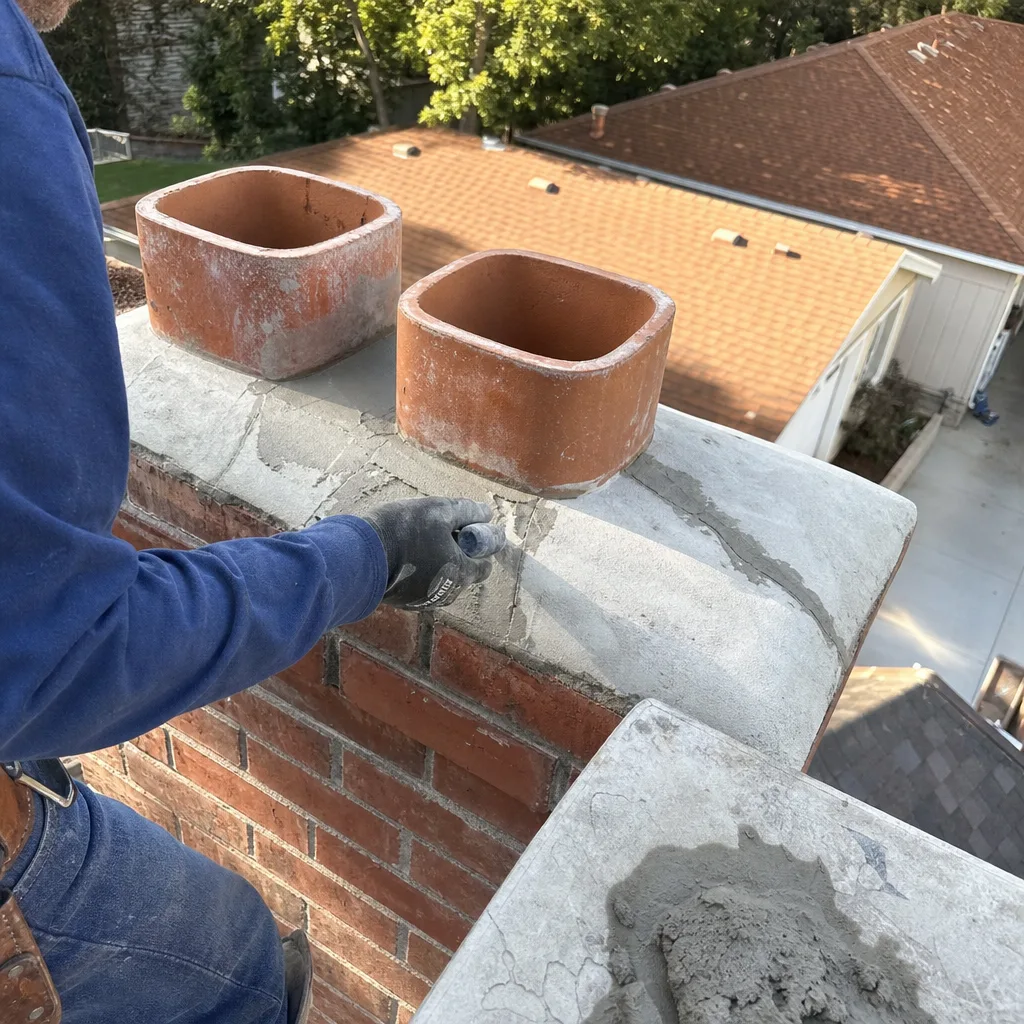
Santa Clarita’s summer climate is uniquely hard on chimney structures. Daytime temperatures regularly exceed 95°F, with surface temperatures on south-facing brick reaching 140°F or higher. Overnight lows in the 60s create a daily thermal cycle that stresses mortar, crown sealants, and metal components.
Coastal California chimneys don’t experience this amplitude. The temperature swing from Santa Clarita’s July afternoon to its July midnight is routinely 30°F wider than Santa Monica’s. That differential drives expansion and contraction in materials with different coefficients - brick, mortar, concrete crowns, metal flashing - and the stress concentrates at interfaces.
The summer check is visual and exterior-focused. You don’t need a technician on the roof for this, though we can perform it as part of a scheduled visit. What you’re looking for:
- Crown condition: New hairline cracks, widening of existing cracks, or separation between crown and flue tile. A sound crown sheds water; a cracked crown absorbs it. In Santa Clarita’s dry climate, crown sealants based on flexible polymers (HeatShield and similar formulations) outperform rigid cementitious repairs because they accommodate thermal movement.
- Cap and spark arrestor: Mesh corrosion, fastener loosening, or cap displacement from wind events. The Santa Ana winds of late spring and early summer can dislodge poorly secured caps. Verify that the cap overhangs the crown edge sufficiently to shed water away from the chimney structure.
- Flashing and counterflashing: Sealant degradation at the roof-chimney intersection. Santa Clarita’s UV exposure degrades asphalt-based sealants in 18-24 months. Silicone or polyurethane formulations last longer but still require inspection.
- Brick and mortar: Spalling (flaking or chipping of brick faces), mortar erosion, or efflorescence patterns that indicate active water movement through the masonry. South and west exposures deteriorate fastest.
- Chimney cricket or saddle: On chimneys wider than 30 inches, the cricket diverts water around the chimney. Check for membrane separation or flashing gaps.
Summer is also when animals are most active in seeking nesting sites. A missing or damaged cap invites birds, squirrels, and raccoons. In Santa Clarita’s hillside neighborhoods, roof rats are a particular concern. Their nesting materials are highly combustible, and their presence often indicates cap failure that also permits ember intrusion.
If summer inspection reveals crown or cap issues, address them before September. The materials we source - including caps and crown repair products from Famco and Copperfield through Haven’s buying network - are specified for California’s thermal and UV exposure. A cap installed in July is tested by August heat and ready for September ember season.
Building Your Year-Over-Year Record: How Documentation Catches Deterioration Early
This is where Level Two’s practice, established in 2009 and now Haven Standard Clause 4, becomes a maintenance tool rather than just a service record.
Every chimney deteriorates. The question is whether you detect the rate of change while it’s still manageable. A single inspection tells you condition at a point in time. A sequence of documented inspections, with comparable photos and measurements, reveals trajectory.
Here’s how to use your documentation effectively:
- Request the same inspection protocol each visit. NFPA 211 Level 2, camera scan from firebox to cap, photo record of crown, cap, flashing, and exterior. Consistent viewpoint and lighting make comparison possible.
- Note specific measurements when provided. Liner joint gap width, crown crack length, mortar joint depth, creosote thickness at defined points. These quantifiable markers remove subjectivity from “it looks worse.”
- Review the prior report before each new inspection. A technician who knows what changed is more likely to investigate causes than symptoms. If your spring inspection noted minor crown cracking and your summer check shows 3mm widening, that’s a specific deterioration rate that informs repair timing.
- Correlate interior and exterior findings. Water stains in the firebox in spring, combined with crown cracking progression in summer photos, confirm the intrusion pathway. This correlation justifies crown repair over less targeted interventions like interior waterproofing.
- Use documentation for insurance and real estate purposes. A documented maintenance history with photo evidence supports claims, satisfies carrier requirements, and provides buyer confidence in property transactions. In Santa Clarita’s active 2015-2025 housing market, this documentation has tangible value.
We’ve seen this practice prevent major failures. A Valencia homeowner’s year-over-year record showed gradual liner joint separation over three years - from 1mm to 3mm to 6mm. The third-year inspection caught the acceleration, and a liner replacement was scheduled before the joint failure became a flue fire pathway. Without the comparative record, the 6mm gap might have been noted as “minor separation” in isolation.
The Haven Standard requires this documentation be provided to the homeowner in accessible form - not retained by the service company. You own your chimney’s history. We believe you should possess it.
Common Mistakes to Avoid
- Sweeping in early October without a late-summer inspection. By the time Santa Clarita’s first cold snap arrives, you’ve already missed the optimal pre-wildfire-season window. The flue enters burn season with unknown condition and faces peak ember exposure with undocumented integrity.
- Assuming “I barely used it” means no inspection needed. Even occasional burning produces creosote, and Santa Clarita’s summer animal activity doesn’t correlate with your burn frequency. A chimney unused for two years may have significant nesting obstruction.
- Deferring crown repairs until “next season.” In Santa Clarita’s climate, a cracked crown deteriorates faster than the calendar suggests. One winter’s freeze-thaw on water-saturated masonry, followed by one summer’s thermal cycling, can turn a sealable crack into a rebuild scenario.
- Relying on chemical logs for creosote removal. These products modify creosote chemistry but don’t remove deposits. They can create a false sense of security while glazed creosote remains in the flue. Mechanical removal is the only reliable method for Class III buildup.
- Ignoring the spark arrestor after wildfire season. Mesh damaged by ember impact or clogged by particulate accumulation compromises both wildfire protection and draft efficiency. Post-season verification should be standard.
- Skipping spring documentation because “it was just inspected in fall.” The fall-to-spring comparison is precisely where deterioration trends emerge. One inspection per year, regardless of timing, misses half the data.
- Hiring based on lowest price without verifying inspection standard. A “sweep” that doesn’t include camera inspection of the full flue, documented photo record, and written scope is not comparable to NFPA 211 Level 2 service. The price difference often reflects omitted essential work.
When to Call a Professional
Call for an inspection before lighting the first fire of any season if you lack documentation from the prior six months. Call immediately if you observe smoke spillage into the room, unusual odors during burning, visible creosote glazing, or any exterior damage after wind events. Call if your carbon monoxide detector activates, even once - this indicates potential drafting failure that demands professional evaluation.
Level Two Chimney Santa Clarita offers free estimates throughout Santa Clarita, from Valencia and Newhall to Canyon Country and Stevenson Ranch. Every estimate includes a written price before work starts, and our Free Second Opinion applies to any competitor’s written quote. Call (747) 294-2146 to schedule, or reach us through our Level Two Chimney Santa Clarita home page. Live phone support is available 24 hours a day.
Frequently Asked Questions
A professional chimney sweep in Santa Clarita typically ranges from $200 to $400 for a standard NFPA 211 Level 2 inspection with camera scan and mechanical cleaning; see our Chimney Cleaning Cost Breakdown: The Santa Clarita Homeowner’s Reference for 2026 for full pricing factors. Factors affecting price include flue accessibility, creosote classification (Class III glazed deposits require more labor), and whether the sweep reveals conditions requiring repair. Level Two delivers a written price before any work begins - no exceptions - and offers a Free Second Opinion on any competitor’s written estimate. Call (747) 294-2146 for an exact quote; estimates are free.
You need a new liner when the existing one is damaged, improperly sized, or absent - conditions we verify with camera inspection, not assumption. Clay tile liners crack from thermal shock or chimney fires; stainless steel liners corrode or separate at joints; unlined masonry flues present direct fire contact with combustible framing. We show you the camera footage and explain what we’re seeing before recommending replacement. Materials from DuraFlex and Olympia Chimney carry specific warranties we document in writing. If a competitor recommends liner replacement without camera evidence you can see, get a second opinion.
The National Fire Protection Association recommends annual inspection and cleaning as needed. In Santa Clarita’s dual-risk environment, we recommend inspection twice yearly - late summer before wildfire season and spring after burn season - with sweeping frequency determined by creosote accumulation rather than calendar alone. Heavy burners (three-plus fires weekly) typically need mid-season and post-season sweeps. Occasional users may suffice with annual inspection and cleaning every 18-24 months if creosote remains minimal.
Skipped maintenance leads to three predictable outcomes: chimney fire from ignited creosote deposits, carbon monoxide intrusion from blocked or damaged flues, and structural deterioration from water entry through uncorrected crown or flashing failures. In Santa Clarita specifically, deferred maintenance also means entering wildfire season with unverified ember protection. The cost progression is equally predictable: a $250 sweep deferred becomes a $2,500 liner replacement deferred becomes a $15,000-plus structural rebuild. Call (747) 294-2146 to break that cycle; estimates are free.
You can perform limited visual checks: damper operation, firebox condition from the opening, and exterior crown and cap assessment from ground level or a stable ladder. You cannot safely evaluate the full flue interior, smoke chamber, or roof-level components without proper equipment and fall protection. Working on a roof or inside a flue carries genuine injury risk. We recommend professional NFPA 211 Level 2 inspection annually, with your own monitoring limited to the checklist we provide after each visit.
Santa Clarita’s Santa Clarita Valley location creates overlapping wildfire and burn seasons that don’t occur in coastal cities with milder winters or in mountain communities with defined off-seasons. The Santa Ana wind corridor, chaparral fuel loads, and temperature amplitude specific to this valley mean chimneys here face simultaneous use stress and environmental exposure. Our maintenance calendar reflects that local reality, not generic national advice.
The Bottom Line
Santa Clarita chimneys need a four-point annual calendar: late-summer inspection and sweep before wildfire season, fall start-up verification, mid-winter creosote monitoring, and spring documentation with structural assessment. The critical insight most homeowners miss is that timing matters as much as frequency. A sweep in early October, standard advice elsewhere, leaves Santa Clarita chimneys uninspected through peak ember exposure and accumulating deposits through a long burn season.
The homeowners who avoid major repairs are the ones who treat their chimney’s documentation as a year-over-year record, not a single-point snapshot. They know their liner’s joint history, their crown’s crack progression, and their creosote accumulation rate. That knowledge comes from consistent professional inspection with photo documentation - the practice we’ve maintained since 2009 and codified as Haven Standard Clause 4.
If your chimney’s last inspection is undocumented, more than a year old, or timed to a calendar that doesn’t account for Santa Clarita’s specific risks, schedule an evaluation. We’ll provide a written price before any work starts, a camera-scan photo record of what we find, and a documented baseline for your year-over-year file.
Written by Corrine Halstead, Owner at Level Two Chimney Santa Clarita, serving Santa Clarita since 2009.